In the grand bazaar of global trade, where soybeans whisper secrets of geopolitical brinkmanship and used cooking oil fuels biodiesel dreams, China’s food export sector stands as a barometer of Sino-American relations. As autumn leaves fall in Beijing and Washington, a tentative thaw in the trade war has brought glimmers of relief to B2B buyers scouring the supply chain for stability. Yet, beneath the surface, regulatory tweaks and lingering tariffs continue to stir the pot, forcing importers to recalibrate their sourcing strategies. This update draws on the freshest dispatches from Reuters, spotlighting how China’s evolving export framework—punctuated by tax adjustments and license restorations—is reshaping opportunities and pitfalls in the food and beverage arena.
The Trade Truce: A Soybean-Sized Olive Branch
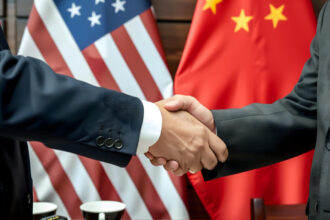
November 2025 has dawned with uncharacteristic optimism at the China International Import Expo (CIIE) in Shanghai, where U.S. agricultural exhibitors dusted off their booths with renewed vigour. The eighth edition of the expo, wrapping up on November 10, clocked in with $83.49 billion in intended turnover—a 4.4% uptick from the prior year—signalling that deal-makers are betting on a post-tariff boom. At the heart of this buzz? A framework agreement between Presidents Xi Jinping and Donald Trump, which has prompted China to restore import licenses for three major U.S. soybean firms: CHS, Louis Dreyfus Company Grains Merchandising, and EGT. Suspended in March amid escalating frictions, these licenses resume from November 10, alongside a lift on the ban for U.S. log imports.
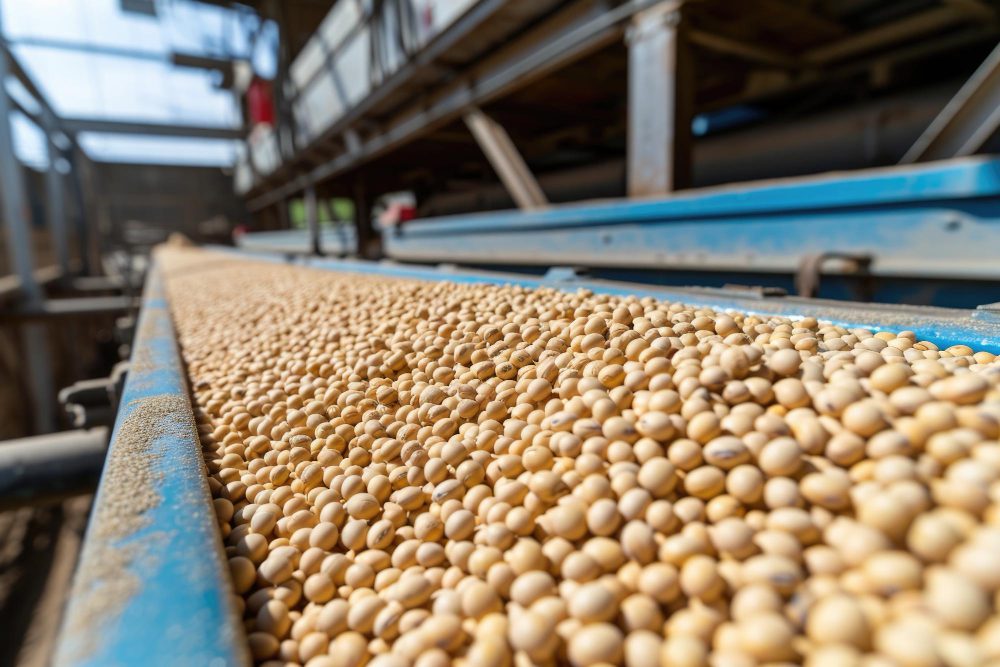
For B2B buyers in Hong Kong and beyond, this isn’t just bureaucratic housekeeping. Soybeans, the humble legume underpinning everything from tofu to animal feed, represent a linchpin in the food supply chain. China’s resumption of U.S. sorghum and soybean purchases—after shunning the 2025 harvest earlier—hints at stabilising cross-border flows. Yet, a stubborn 13% tariff on U.S. soybeans persists, rendering American shipments pricier than Brazilian rivals and nudging buyers toward diversification. In a region like Hong Kong, where imported ingredients fuel a vibrant F&B scene, this means scouting alternative origins to hedge against volatility—think Argentine soy or Russian non-GMO variants, whose exports to China have surged amid the drama.
The broader export picture tells a tale of resilience laced with restraint. China’s overall exports dipped 1.1% in October 2025, the sharpest contraction since February, as front-loaded shipments to dodge U.S. tariffs gave way to reality’s bite. Food and beverage streams, however, buck the trend in pockets, buoyed by China’s pivot to Southeast Asia and Europe. This regulatory recalibration—easing some retaliatory measures while upholding core tariffs—underscores Beijing’s strategy: wield trade as a scalpel, not a sledgehammer.
The Greasy Underbelly: Used Cooking Oil and the Perils of Policy Shifts
If soybeans are the stars of the trade saga, used cooking oil (UCO) plays the intriguing sidekick—a byproduct of restaurant fryers turned biodiesel gold. Here, China’s export regulations reveal their sharper edge. Late in 2024, Beijing slashed tax rebates for UCO exporters, a move that cascaded into 2025 with brutal efficiency. U.S. imports from China plummeted 65% in January-August 2025, to 290,690 tons valued at $286.7 million— a far cry from the 2024 peak of 1.27 million tons worth $1.1 billion. What was once a burgeoning artery in Sino-U.S. trade has withered, exacerbated by American tariffs on Chinese goods.
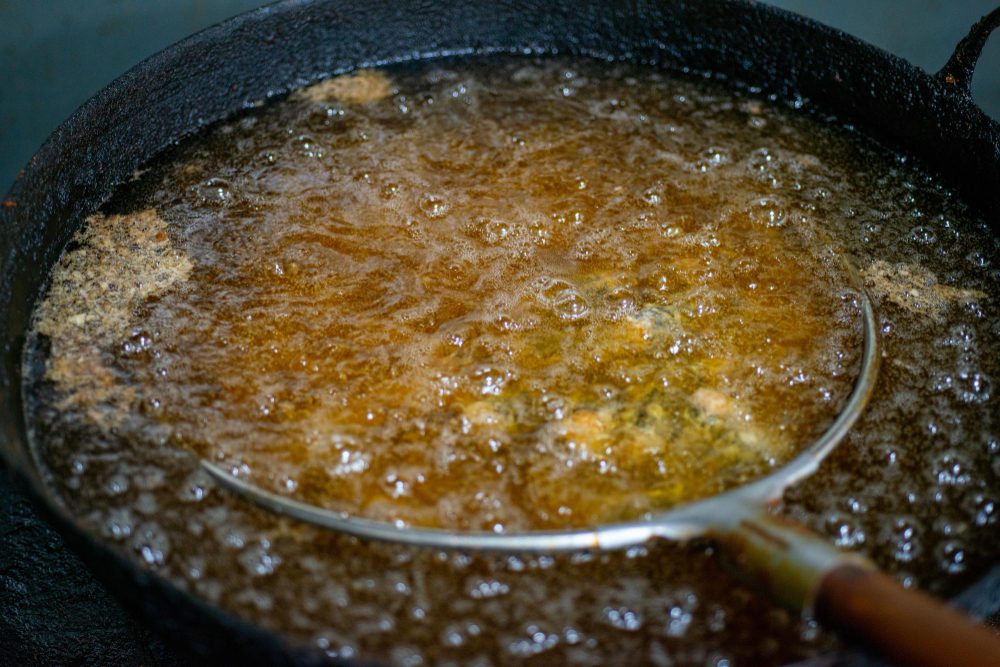
Enter President Trump, whose October 14 social media salvo threatened to sever ties on “cooking oil” altogether, framing it as retaliation for China’s soybean snub. Analysts dismiss this as theatrical flair—UCO’s trade volume pales beside soybeans, after all—but it spotlights how regulatory levers can throttle niche exports overnight. China’s policy tweak wasn’t aimed at food safety per se, but at curbing over-reliance on biofuel incentives, aligning with broader sustainability goals. For B2B sourcers, the lesson is stark: even peripheral regulations can upend supply lines. Hong Kong importers of biodiesel precursors, for instance, now eye Singapore (up 15% year-to-date to $537 million in UCO shipments) or the Netherlands (131.5% surge) as safer bets.
This episode exemplifies the interlocking nature of China’s export controls. While not a outright ban, the rebate cut functions as a de facto regulation, redirecting flows and inflating costs. B2B buyers must now factor in such fiscal fine print, perhaps by locking in multi-year contracts or blending sources to mitigate risks.
Ripples Across the Supply Chain: Agricultural Exports Under Scrutiny
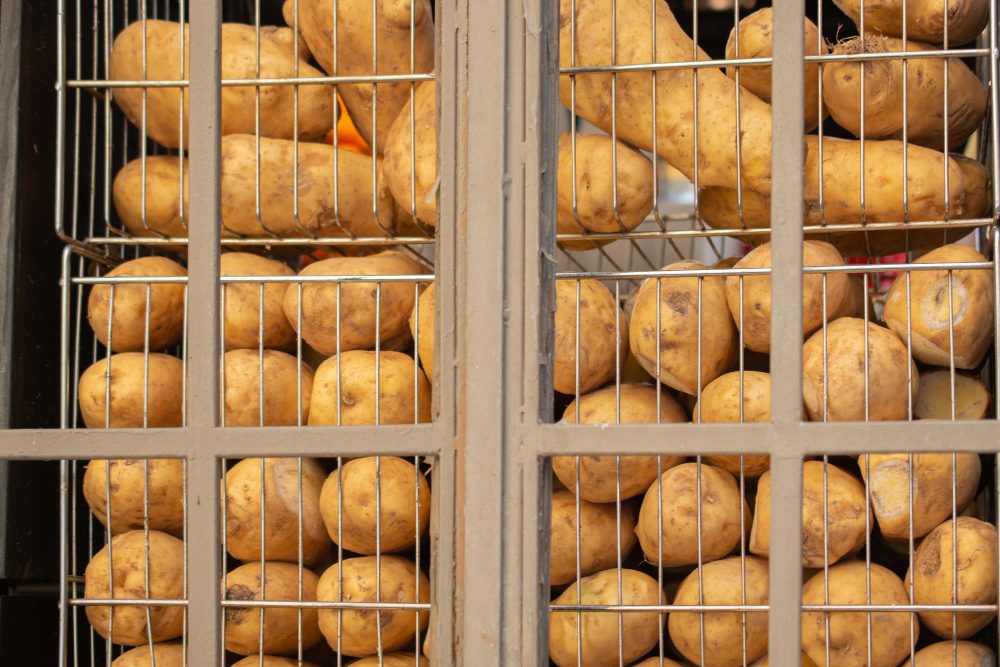
Zoom out, and China’s food export regulations emerge as a tapestry woven from trade pacts, environmental mandates, and economic realpolitik. The CIIE’s U.S. pavilion, expanded 50% this year and showcasing wines, ginseng, and potatoes, underscores a thaw—but one laced with caveats. Resumed sorghum buys (where China gobbled 95% of U.S. exports pre-2025) signal goodwill, yet the expo’s $83.49 billion turnover masks fragility: China’s trade surplus is on track to top $1 trillion, as exporters dump goods elsewhere at discounts to offset U.S. losses.
Regulatory undercurrents run deeper. Beijing’s March suspension of U.S. soybean licenses, now reversed, was part of a retaliatory suite including 10-15% tariffs on $21 billion in American ag and food products. These measures, rolled back selectively in November, reflect a calibrated approach to export oversight—prioritising food security while punishing perceived aggressors. For global B2B networks, this translates to heightened scrutiny on compliance: exporters must navigate not just tariffs but also Beijing’s non-tariff barriers, like enhanced traceability for perishable goods.
In the beverage realm, parallels abound. Chinese F&B firms are flocking to Singapore as a launchpad for overseas expansion, driven by domestic price wars and regulatory nudges toward international diversification. Bubble tea chains and beyond are testing waters in Southeast Asia, where looser regs beckon. Yet, for buyers sourcing from China, this outbound zeal means fiercer competition—and potentially tighter domestic supply.
Sourcing Smarts: B2B Strategies in a Regulated World
For the pragmatic procurement manager in Hong Kong’s humming wholesale markets, these shifts demand agility. First, diversify: with U.S.-China frictions lingering, blend Chinese staples with Brazilian soy or Peruvian blueberries (whose exports are booming on tax incentives). Second, audit regulations proactively—China’s customs portal now mandates real-time updates on rebate changes, averting UCO-like surprises. Third, leverage expos like CIIE for on-ground intel; the event’s 4,100 overseas firms offered a trove of partnerships untethered from bilateral spats.
Risk management extends to sustainability: Beijing’s ESG push is embedding green clauses in export approvals, favouring low-carbon footprints. B2B buyers ignoring this risk premium hikes or certification snags. Finally, hedge with futures—soybean contracts on the Dalian exchange can buffer tariff shocks, ensuring your dim sum supply stays uninterrupted.
Charting a Course Forward: Optimism Tempered by Vigilance
As 2025 wanes, China’s food export regulations paint a portrait of controlled thaw: licenses restored, rebates recalibrated, tariffs tempered. The U.S.-China pact may herald smoother seas for soybeans and sorghum, but UCO’s tumble warns of hidden reefs. For B2B sourcers, the imperative is clear—treat regulations not as roadblocks but as roadmaps to resilient chains. In this interdependent feast, no one dines alone; the wise guest arrives prepared for seconds.
Disclaimer: The information in this article is based on publicly available sources as of November 12, 2025, and is provided for informational purposes only. It does not constitute professional advice, including legal, financial, or sourcing recommendations. Readers should consult qualified experts and verify current regulations before making business decisions. SourcingGuides.com and its contributors disclaim any liability for actions taken based on this content.