
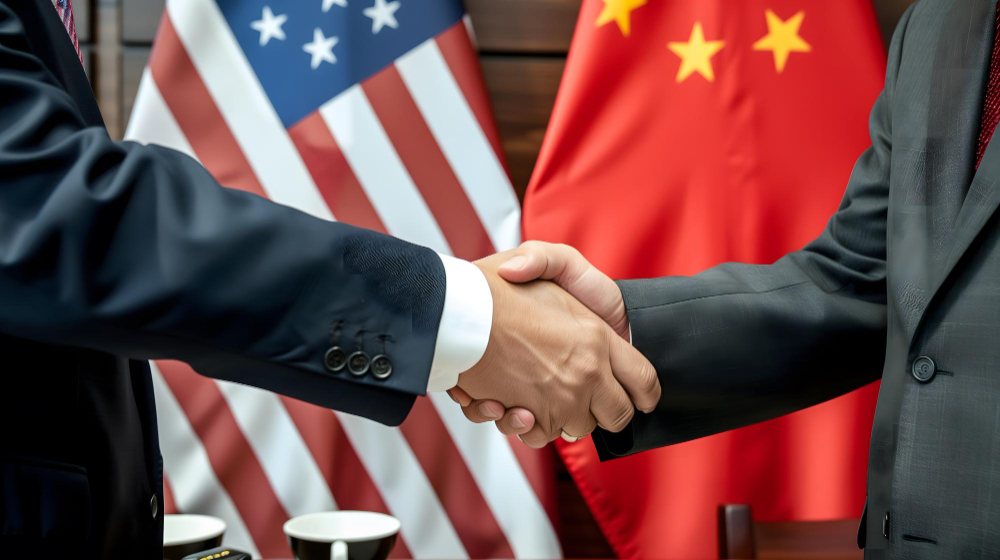
As the year draws to a close, the global watch and clock industry finds itself at a pivotal moment. After months of heightened trade tensions, a fragile but significant détente between the United States and China has emerged, offering relief to exporters and reshaping calculations for buyers worldwide. For B2B professionals sourcing timepieces from the world’s largest producer—China—this development arrives just in time, easing pressures that have lingered over supply chains throughout 2025.
In the style of a DealBook briefing, let’s unpack what this means, why it matters now, and how savvy importers, particularly those operating through Hong Kong, can position themselves amid ongoing uncertainties.
The US-China Trade Agreement: A Timely Reprieve
In late October 2025, Washington and Beijing reached an agreement that dialed back some of the most punitive measures in their ongoing trade dispute. Key elements included reductions in certain reciprocal tariffs on Chinese goods, extensions of product exclusions, and a mutual pause on escalating retaliatory actions.
While the deal stops short of a full reset, it provides breathing room for exporters. Tariffs that had threatened to disrupt flows of consumer goods, including watches and clocks, have been moderated for the coming year. This shift comes after a period where shipments to the US faced significant headwinds, contributing to volatility in global trade patterns.
For China’s watch manufacturers—concentrated in hubs like Guangdong and Shenzhen—the timing couldn’t be better. With the holiday season underway and inventory planning for 2026 already in motion, lower tariff barriers to the US market, one of the largest for mid-range and affordable timepieces, signal potential stabilization.
Resilience in China’s Watch Export Sector Amid Broader Pressures

China remains the undisputed leader in watch production by volume, supplying everything from quartz movements to fashion-forward smartwatches and traditional analog pieces. Unlike luxury segments dominated by Swiss brands, Chinese exports cater heavily to mass-market and private-label demands, making them particularly sensitive to trade frictions.
Throughout 2025, broader export trends reflected resilience despite challenges. While some months saw dips in overall shipments due to US tensions, growth to other regions—Southeast Asia, Europe, and emerging markets—helped offset losses. The recent trade agreement builds on this, removing immediate threats of further escalation and allowing factories to ramp up confidently.
Notably, China has refrained from imposing new export controls or licensing requirements specifically on watches and clocks in recent months, unlike measures applied to strategic materials in other sectors. This policy continuity ensures that established supply chains remain operational without additional bureaucratic hurdles.
Shifting Demand Dynamics and Market Opportunities
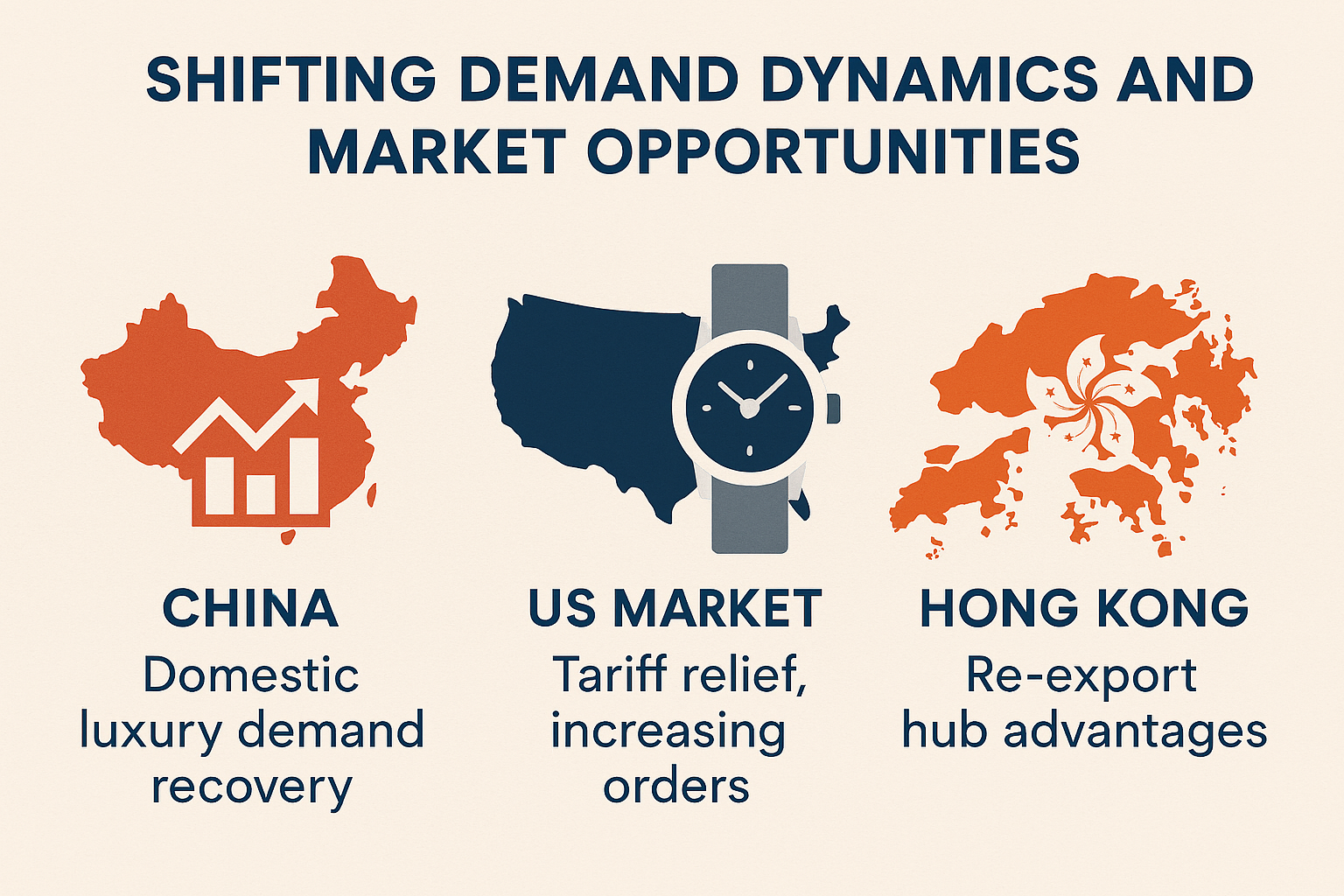
On the demand side, signs of recovery are encouraging. Luxury conglomerates have reported strengthening sales in China itself, pointing to renewed consumer confidence in the domestic market. This internal strength indirectly supports export capabilities, as robust home demand keeps production lines humming.
For B2B buyers, the US market rebound potential is particularly intriguing. With eased tariffs, American retailers and brands may increase orders for Chinese-sourced components and finished watches, especially in categories like promotional items, fitness trackers, and entry-level mechanical pieces.
Hong Kong continues to play a critical role as a re-export hub, benefiting from its logistical advantages and established trade networks. Importers routing through Hong Kong can leverage the city’s efficient customs processes while monitoring the extended tariff moderations that apply to Hong Kong-origin goods as well.
Strategic Sourcing Tips for B2B Buyers in the Watch Industry
In this environment, proactive sourcing strategies are essential. Here’s how buyers can navigate the current landscape:
Lock in Contracts with Flexibility Built In
Negotiate clauses that account for potential tariff fluctuations beyond the current agreement’s timeframe. Include provisions for price adjustments or alternative sourcing if tensions resurface.
Diversify Supplier Base Geographically
While China offers unmatched scale and cost advantages, consider qualifying secondary suppliers in Vietnam, Thailand, or India—destinations where some Chinese manufacturers have already relocated production to hedge risks. This “China Plus One” approach has gained traction in 2025.
Focus on Compliance and Due Diligence
Ensure suppliers adhere to international standards for quality, labor, and environmental practices. With global scrutiny on supply chains intensifying, robust audits can prevent disruptions and enhance brand reputation.
Leverage Hong Kong’s Advantages
For importers targeting Asia-Pacific or global distribution, Hong Kong remains a premier gateway. Its free port status, advanced logistics, and proximity to mainland factories make it ideal for consolidation and quality checks. Monitor local trade facilitation updates to maximize efficiency.
Explore Private-Label and Customization Opportunities
Chinese factories excel in OEM and ODM models. With stabilized trade conditions, now is an opportune time to develop exclusive lines that differentiate your offerings in competitive markets.
Monitor Component Supply Chains Closely
Although watches avoided direct export controls, upstream materials could face indirect impacts from policies in other sectors. Build buffers for key parts like movements, cases, and straps.
Remaining Risks and the Road Ahead
Caution remains warranted. The current agreement is temporary, with extensions tied to ongoing negotiations. Geopolitical flashpoints could prompt reversals, and domestic economic challenges in major markets may temper demand growth.
Additionally, currency fluctuations and shipping costs—still elevated from earlier disruptions—will influence landed prices. Buyers should model multiple scenarios in their procurement planning.
Looking to 2026, analysts anticipate moderate growth for the sector if the trade truce holds. Innovations in smartwatches and sustainable materials could drive new demand waves, areas where Chinese manufacturers are increasingly competitive.
Conclusion: A Window of Opportunity for Astute Buyers
The late-2025 US-China trade deal represents a hard-won stabilization in an otherwise turbulent year for global commerce. For the watch and clock industry, it translates to renewed viability for sourcing from China—lower risks, predictable costs, and access to the world’s most efficient production ecosystem.
B2B professionals who act decisively—securing supplies, diversifying intelligently, and staying informed—stand to gain significant advantages. In sourcing, as in dealmaking, timing and preparation separate winners from the rest.
As always, the watch industry reminds us that time waits for no one. The current moment offers clarity amid uncertainty; seize it wisely.
Disclaimer: This article is for general informational purposes only and does not constitute professional advice. Trade policies and tariffs can change rapidly. Readers should consult qualified legal, trade, or financial experts and verify current regulations before making sourcing or business decisions. SourcingGuides.com is not responsible for any actions taken based on this content.