Introduction: Navigating the Evolving World of Kitchenware Sourcing
In the fast-paced realm of global trade, importing kitchenware from China remains a cornerstone for businesses in the houseware and kitchenware industry. As supply chains adapt to geopolitical shifts, rising costs, and technological advancements, optimizing imports has never been more critical. For B2B buyers, particularly those in competitive markets like Hong Kong, streamlining China-based kitchenware supply chains can mean the difference between thriving and merely surviving. This article delves into practical tips for enhancing logistics strategies, drawing on the latest developments in China’s export landscape.
China continues to dominate as the world’s largest exporter of kitchenware, from stainless steel utensils to ceramic tableware and high-end cookware. With ongoing trade tensions and economic recoveries shaping the market, importers must focus on efficiency, compliance, and resilience. We’ll explore how to refine your approach, incorporating end-to-end logistics, diversification, and data-driven decisions to optimize kitchenware imports from China.
The Current Landscape: China’s Kitchenware Exports Amid Global Challenges
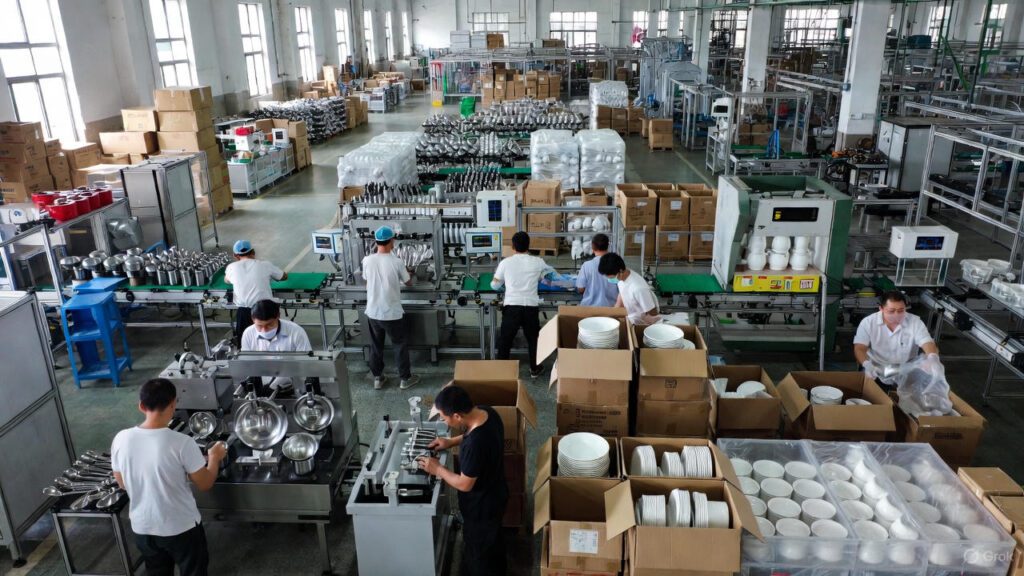
China’s manufacturing prowess in houseware and kitchenware is unmatched, but 2025 has brought fresh hurdles. Rising production costs, supply disruptions, and tariff adjustments are reshaping how businesses approach imports. Despite these, China’s exports have shown remarkable resilience, bolstered by government initiatives and a push toward diversification.
Recent data highlights this strength. For instance, in the first half of 2025, shipments of major home appliance categories, including kitchen-related items like microwaves and rice cookers, rose overall amid mixed quarterly performance, supported by economic recovery and proactive export efforts. This resilience persists even as U.S. tariff policies create headwinds. Globally, the kitchenware market is on an upward trajectory, driven by demand in regions like Asia Pacific, where urbanization and rising middle-class populations fuel growth.
Trade figures underscore China’s pivotal role. Exports overall grew amid efforts to deepen ties with non-U.S. markets, such as ASEAN and the EU. This shift is crucial for kitchenware importers, as it opens avenues for more stable supply chains. However, challenges like commodity price volatility and geopolitical tensions demand vigilant strategies. For Hong Kong-based importers, proximity to China offers logistical advantages, but staying ahead requires leveraging the latest trade news and data.
Key Logistics Strategies: Building an End-to-End Approach
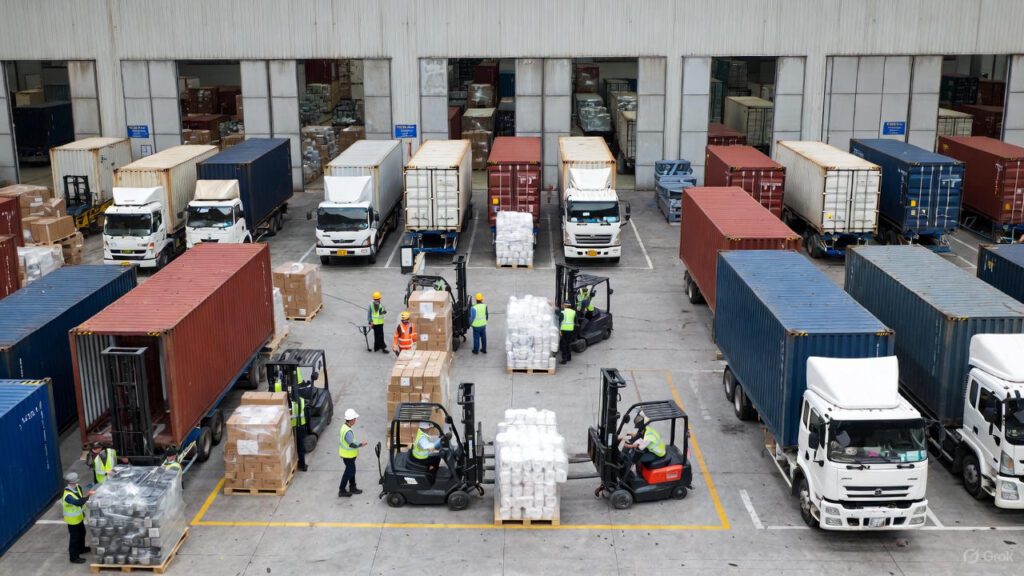
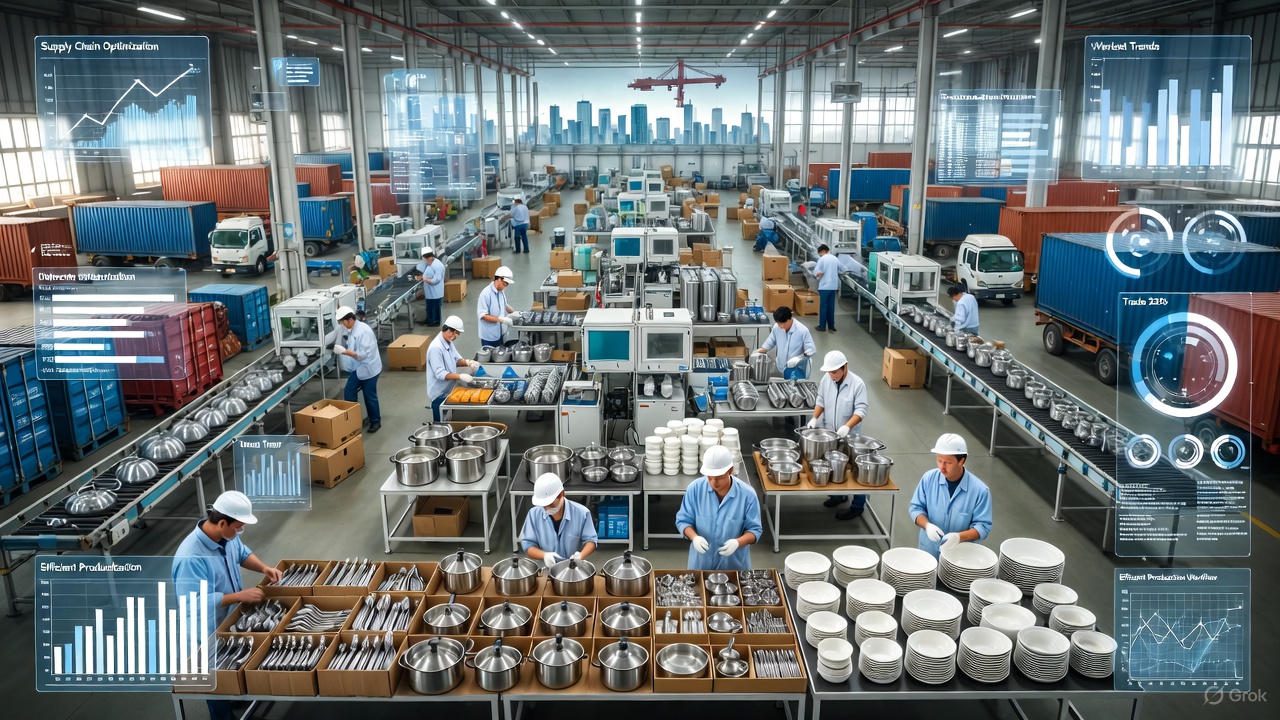
Optimizing kitchenware imports from China starts with robust logistics strategies. An end-to-end approach integrates sourcing, consolidation, transportation, and final-mile delivery, minimizing delays and costs. For houseware items like cutlery, cookware, and utensils, which often involve bulky or fragile shipments, efficiency is paramount.
One effective strategy is consolidation in China. By combining multiple suppliers’ goods at a central hub, importers can reduce shipping volumes and negotiate better freight rates. Recent analyses emphasize this, noting that integrating China-side consolidation with domestic distribution in destinations like the U.S. or Hong Kong can address final-mile challenges. For example, using bonded warehouses in free trade zones allows for deferred duties and streamlined customs clearance.
Shipping methods also play a key role. Air freight suits high-value, time-sensitive kitchenware like premium stainless steel sets, while sea freight is ideal for bulk imports of ceramic or plastic items. In 2025, with port congestions easing in some areas but persisting in others due to trade volumes, hybrid models—combining sea and rail via initiatives like the Belt and Road—offer reliability. Importers should prioritize carriers with strong China-Hong Kong routes, leveraging Hong Kong’s world-class port infrastructure for faster transshipment.
Technology integration is another game-changer. IoT-enabled tracking and AI-driven predictive analytics help forecast disruptions, ensuring kitchenware arrives on time. For B2B buyers, partnering with logistics providers offering real-time visibility can cut lead times by optimizing routes and inventory management.
Navigating Tariffs, Duties, and Compliance for Seamless Imports
Tariffs remain a hot-button issue in 2025, particularly for China-U.S. trade, but they ripple across global supply chains, affecting Hong Kong intermediaries. New U.S. tariffs implemented starting October 1, 2025, on categories like furniture—often overlapping with houseware—have prompted importers to reassess sourcing. While a partial trade truce has reduced duties on some consumer goods, most remain elevated, urging diversification.
For kitchenware, compliance is non-negotiable. Items like stainless steel cookware must meet FDA standards in the U.S., requiring certificates of origin, commercial invoices, packing lists, and bills of lading. In Hong Kong, aligning with local import regulations, including safety certifications, ensures smooth entry. Always verify Harmonized Tariff Schedule (HTS) codes; for instance, ceramic tableware might fall under codes subject to Section 301 duties.
To mitigate costs, explore free trade agreements. Hong Kong’s Closer Economic Partnership Arrangement (CEPA) with mainland China facilitates tariff-free imports for qualifying goods, ideal for kitchenware. Additionally, conducting thorough supplier audits—checking certifications and requesting samples—prevents compliance pitfalls. Recent guides stress the importance of consulting customs brokers to navigate 2025’s regulatory landscape, especially with retaliatory measures from trading partners.
Risk Management: Preparing for Disruptions in China Supply Chains
Supply chain disruptions, from port strikes to geopolitical flare-ups, have been a recurring theme in 2025. For kitchenware imports, where just-in-time delivery is often essential, building resilience is key. Diversification beyond China, while maintaining it as a core supplier, is a top recommendation. Companies like Walmart are reducing dependence on China but still rely on its manufacturers for vital houseware products.
Implement multi-sourcing strategies: Identify alternative suppliers in Vietnam or India for non-specialized items like plastic utensils, while reserving China for high-quality, cost-effective options like cast iron cookware. Inventory buffering—stocking 2-3 months’ supply—guards against delays, though it ties up capital.
Insurance and contingency planning are vital. Cover shipments against loss or damage, and use data analytics to monitor risks. Recent trade news points to increased volatility from U.S. elections and global economic slowdowns, making scenario planning essential. For Hong Kong businesses, leveraging local logistics hubs can provide a buffer, enabling quick rerouting.
Embracing Sustainability: Eco-Friendly Practices in Kitchenware Sourcing
Sustainability is no longer optional in B2B sourcing. With ESG considerations rising, optimizing kitchenware imports from China involves eco-friendly logistics. Opt for low-emission shipping options, like LNG-powered vessels, and consolidate shipments to reduce carbon footprints.
China’s push toward green manufacturing aligns with this. Government subsidies expanded in 2025 to include more kitchen appliances, encouraging sustainable production. Importers should prioritize suppliers with ISO 14001 certifications, focusing on recyclable materials like stainless steel over single-use plastics.
In Hong Kong, where environmental regulations are stringent, sustainable sourcing enhances brand appeal. Track Scope 3 emissions in your supply chain and report them transparently to build trust with buyers.
Practical Tips for B2B Buyers: Actionable Steps to Optimize
Here are hands-on tips to streamline your China kitchenware supply chain:
- Supplier Selection and Verification: Use platforms like Alibaba but verify with on-site audits. Request detailed specs and testing reports to ensure quality.
- Quality Control Protocols: Establish clear standards pre-production. For fragile items like glassware, insist on robust packaging to prevent breakage during transit.
- Cost Optimization: Negotiate Incoterms like FOB to control logistics. Monitor shipping costs closely, as 2025 fluctuations from fuel prices impact budgets.
- Digital Tools for Efficiency: Adopt ERP systems integrated with logistics APIs for seamless order tracking.
- Partnerships and Networks: Join trade associations for insights on China-Hong Kong routes. Attend events to connect with reliable freight forwarders.
By implementing these, importers can achieve significant efficiency gains, based on industry benchmarks.
Conclusion: Future-Proofing Your Kitchenware Supply Chain
Optimizing kitchenware imports from China demands agility in logistics strategies, from consolidation to compliance. As 2025 unfolds with resilient exports and evolving tariffs, B2B players in Hong Kong and beyond must prioritize data-driven, sustainable approaches. By embracing these tips, you can streamline your supply chain, reduce risks, and capitalize on China’s enduring strengths in houseware manufacturing.
Reference Sources
- Linktrans Releases Strategic Analysis Addressing ‘Final Mile’ Logistics Challenges
- China’s Manufacturing Challenges in 2025
- US – China Trade Truce 2025
- 2025 Tariffs and Their Impact on Global Trade
- New U.S. Tariffs on Furniture Set to Reshape Supply Chains
- 2025 Import Guide: China To USA Shipping Costs And Tariffs
- Overall Development of China’s Home Appliance Industry
- China Balance of Trade
- China’s Record Trade Surplus
- Kitchenware Market Share, Size, and Competitive Outlook
Disclaimer
This article is provided for informational purposes only and does not constitute professional advice. Readers should consult with qualified experts for specific guidance on importing and supply chain management. The information is based on publicly available sources as of December 2025 and may change.