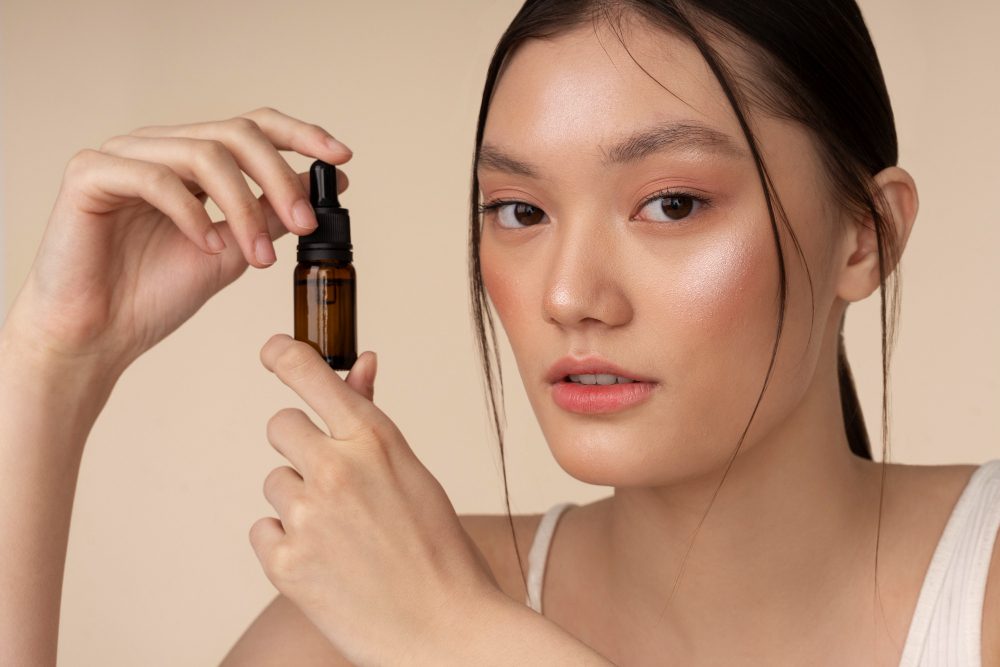
The world’s largest skincare market is pivoting toward purity and transparency, creating unprecedented opportunities for prepared B2B suppliers.
In the gleaming beauty counters of Shanghai and the live-streaming studios of Guangzhou, a quiet revolution is transforming the $78 billion Chinese skincare industry. By 2026, organic and natural skincare products are projected to grow at a compound annual growth rate (CAGR) of 11.21% through 2030, driven by tens of millions of Chinese consumers increasingly voting with their wallets for purity, transparency, and sustainability. This isn’t merely a trend—it’s a fundamental market shift that’s creating winners and losers across the global beauty supply chain.
The driving force behind this transformation is a perfect storm of demographic change, regulatory tightening, and technological innovation. As one Shanghai-based beauty supplier who requested anonymity to protect business relationships told me, “The Chinese consumer is now the most educated, most demanding, and most discerning in the world. They don’t just read ingredient lists—they research extraction methods, certification standards, and corporate sustainability practices before making purchasing decisions.”
The Numbers Behind the Revolution
Recent data from China’s National Bureau of Statistics reveals the staggering scale of this shift. The natural and organic skincare segment is anticipated to grow at 11.21% between 2025 and 2030, despite overall cosmetic sales growing at a CAGR of 9.47% during the same period. This divergence highlights how rapidly consumer preferences are moving toward natural formulations.
What makes this trend particularly compelling for international suppliers is its demographic concentration. The growth is overwhelmingly driven by China’s post-90s and post-00s generations—digital natives who combine national pride with global awareness. According to market research firm Daxue Consulting, a significant portion of Chinese consumers aged 20-35 now explicitly prefer organic skincare products over conventional alternatives, reflecting a broader shift toward natural ingredients.
“The Chinese consumer’s journey toward organic beauty is irreversible,” says Li Wei, founder of Shanghai-based skincare analytics firm BeautiData. “Unlike previous beauty trends that came and went, this shift is rooted in deeper cultural movements around health consciousness, environmental awareness, and what we call ‘ingredient literacy’—where ordinary consumers can pronounce and recognize the function of ingredients like hyaluronic acid, niacinamide, and centella asiatica.”
The Certification Landscape: Navigating China’s Regulatory Framework
For global suppliers eyeing this lucrative market, understanding China’s evolving certification landscape has become critical. The China Organic Product certification, administered by the National Certification and Accreditation Administration (CNCA), has emerged as the gold standard that Chinese consumers increasingly look for. Meanwhile, international certifications like COSMOS and Ecocert continue to carry significant weight, particularly among premium segments.
“The certification process has become the gatekeeper to market access,” observes Michael Yu, CEO of Organic Origins Asia, a consulting firm that helps international brands navigate Chinese regulatory requirements. “We’re seeing Chinese retailers and distributors increasingly reluctant to carry products without proper organic certification. It’s no longer a nice-to-have—it’s a prerequisite for serious market entry.”
The regulatory environment itself is becoming more stringent. New labeling requirements require brands to clearly distinguish between “natural,” “organic,” and “clean beauty” claims—terms that were previously used interchangeably in marketing materials. The National Medical Products Administration (NMPA) has conducted enforcement actions against false organic claims, resulting in significant fines for both domestic and international brands.
Emerging Ingredient Trends: From TCM to High-Tech Extractions
The ingredients winning in this new market landscape combine traditional Chinese medicine (TCM) wisdom with cutting-edge extraction technologies. Snow mushroom (Tremella fuciformis), once a culinary ingredient, has emerged as a powerhouse hydrating agent with studies showing it can hold up to 500 times its weight in water. Chinese beauty giant Pechoin reported strong growth in products containing high concentrations of snow mushroom in 2024.
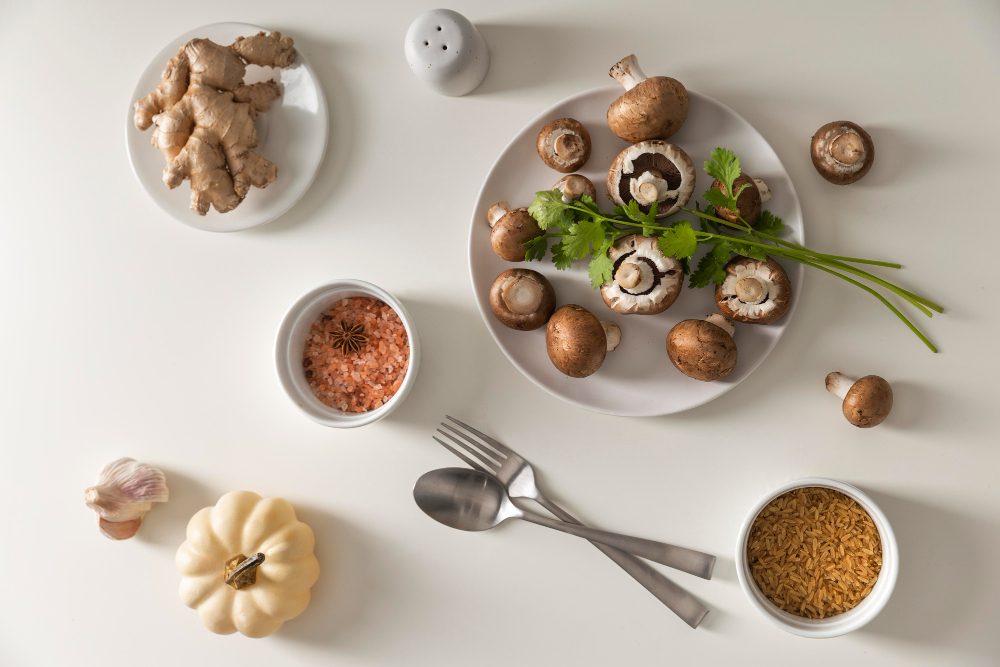
Other traditional ingredients experiencing a renaissance include ginseng, pearl powder, and green tea extracts—all deeply rooted in Chinese cultural heritage but now validated through modern scientific research. What’s particularly interesting is how Chinese brands are leveraging these ingredients as points of differentiation against international competitors.
“The narrative of ‘rediscovering Chinese beauty secrets’ resonates powerfully with younger consumers who want to reconcile their modern identities with cultural pride,” explains Professor Zhang Li, who studies consumer behavior at Fudan University. “We’re seeing a fascinating phenomenon where ingredients with historical usage in TCM are being repackaged with scientific validation and modern marketing.”
Simultaneously, novel ingredients are entering the Chinese organic landscape through global exchange. Upcycled botanical extracts, bamboo-derived silicones, and marine-based antioxidants from clean waters are gaining traction among consumers looking for the next breakthrough in organic beauty.
Supply Chain Implications: Sourcing Challenges and Opportunities
This ingredient revolution is creating both challenges and opportunities throughout the beauty supply chain. Sustainable sourcing has become a critical concern, with forward-thinking suppliers implementing traceability systems that allow consumers to track an ingredient’s journey from source to shelf.
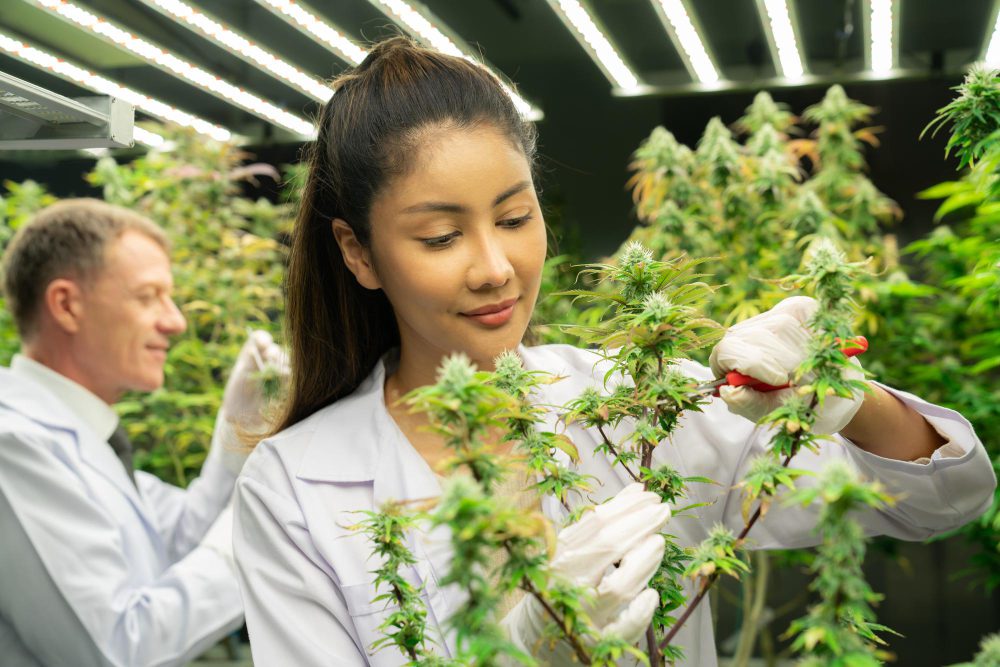
“Transparency is no longer optional,” says Sarah Jen, supply chain director at Liven Sciences, a Malaysian supplier of organic botanical extracts to the Chinese market. “Our Chinese clients increasingly request full supply chain documentation, including farming practices, extraction methods, and even fair labor certifications. The brands that can provide this level of detail are winning listing space in China’s major retail channels.”
The push toward organic formulations is also driving innovation in preservation systems, as brands seek to maintain product stability without resorting to synthetic preservatives that would compromise organic status. German supplier Dr. Straetmans has developed a natural preservation system based on glyceryl caprylate and shiitake mushroom extract that has seen rapid adoption by Chinese organic brands facing preservation challenges in the country’s varied climate conditions.
Retail Revolution: How Organic Skincare is Reaching Chinese Consumers
The distribution landscape for organic skincare in China is evolving just as rapidly as consumer preferences. While Tmall and JD.com remain dominant players, specialized organic beauty platforms have captured significant market share by offering curated selections and expert content.
Live streaming has become particularly influential in the organic category, where trust and education are paramount. Top beauty influencers like Li Jiaqi and Wei Ya regularly dedicate entire streams to explaining organic certifications, analyzing ingredient lists, and demonstrating product efficacy. During last year’s Singles’ Day shopping festival, organic skincare products accounted for a notable portion of all beauty sales on Tmall, up from previous years.
“What’s fascinating is how education and commerce have merged in the Chinese organic beauty space,” observes Kiki Fan, chief marketing officer at cross-border e-commerce platform Xiaohongshu. “Brands that invest in ingredient education—through long-form content, expert collaborations, and transparent communication—are building loyal communities that translate into consistent sales, not just spike during shopping festivals.”
The Cross-Border Opportunity: Navigating Import Regulations
For international suppliers, China’s cross-border e-commerce (CBEC) channels offer a relatively streamlined path to market. Products sold through CBEC platforms enter China under different regulatory requirements than those distributed through traditional channels, allowing international organic brands to test the waters without immediately pursuing full NMPA certification.
However, this advantage may be short-lived. New regulations are expected to harmonize standards between CBEC and domestic products in several categories, including skincare. “The window of opportunity is closing for brands hoping to enter China through CBEC without meeting full organic certification requirements,” notes trade lawyer Wang Jian. “Brands that establish their supply chain compliance now will be positioned for success when the regulatory landscape shifts.”
Regional Variations: Beyond Tier 1 Cities
While the organic skincare revolution began in China’s tier-1 cities, it’s rapidly expanding to tier-2 and tier-3 markets. The difference is that consumers in these emerging markets often enter the organic category through different pathways—frequently through brands that position organic benefits as complementary to, rather than replacements for, their existing routines.
“Outside of Shanghai, Beijing, and Guangzhou, we see more hybrid behavior,” says Marcus Lee, whose firm China Skinny researches consumer trends across China’s diverse regional markets. “A consumer might use an organic serum alongside their conventional moisturizer, or incorporate one organic product into an otherwise traditional routine. This creates opportunities for brands to enter these markets through hero products rather than requiring full regimen adoption.”
Supplier Recommendations: Positioning for 2026 Success
For B2B suppliers aiming to capitalize on China’s organic skincare boom, several strategic approaches emerge from our analysis:
- Invest in Certification Early: Brands should prioritize obtaining recognized organic certifications rather than relying on “clean beauty” or “natural” marketing claims that face increasing regulatory scrutiny.
- Develop China-Specific Formulations: Successful suppliers are creating products that combine internationally recognized organic ingredients with beloved TCM elements like ginseng, goji berry, and pearl powder.
- Build Traceability into Supply Chains: Implementing blockchain and other traceability technologies provides a competitive advantage in a market where provenance matters increasingly.
- Partner with Educational Influencers: Rather than just promotional influencers, seek partnerships with content creators who can explain ingredient benefits and certification standards to build consumer trust.
- Explore Regional Opportunities: While tier-1 cities remain important, the next wave of growth will come from tier-2 and tier-3 cities where organic penetration remains relatively low.
As the Chinese skincare market continues its rapid evolution, one thing remains clear: the shift toward organic is not a passing trend but a fundamental restructuring of market dynamics. For suppliers, brands, and retailers, adaptation is no longer optional—it’s essential for survival in what remains the world’s most dynamic beauty market.
The coming years will separate the winners from the losers in China’s organic beauty boom. As Zhang Wei, a purchasing manager for one of China’s largest beauty retailers, told me: “We’re not just looking for organic products anymore—we’re looking for partners who understand where the Chinese organic consumer is heading next. The suppliers who will win are those thinking two steps ahead of today’s trends.”
References
- China Skincare Market Size, Share | Growth Report [2025-2032] – Fortune Business Insights
- China Cosmetic Products Share Analysis, Market Size and Segmentation Report, 2030 – Mordor Intelligence
- Organic Cosmetics in China | Growing preference for natural ingredients – Daxue Consulting
- China Organic Product Certification – Certification and Accreditation Administration (CNCA)
- China Skincare Market Size, Share and Forecast to 2033 – IMARC Group
- Multifunctional Antimicrobials | Evonik Dr. Straetmans GmbH
- China: Singles’ Day leading skincare brands on Tmall based on GMV 2023 | Statista
- China Cross-border E-commerce Regulation (CBEC) | ChemLinked
- The China Skinny Skincare Tracker – China Skinny
- Xiaohongshu (RedNote), China’s answer to Instagram, hits No. 1 on the App Store as TikTok faces US shutdown | TechCrunch
Disclaimer: This article contains forward-looking statements and market projections based on current data and industry analysis. Market conditions may change, and readers should conduct their own due diligence before making business decisions. The information provided is for informational purposes only and does not constitute investment or business advice.