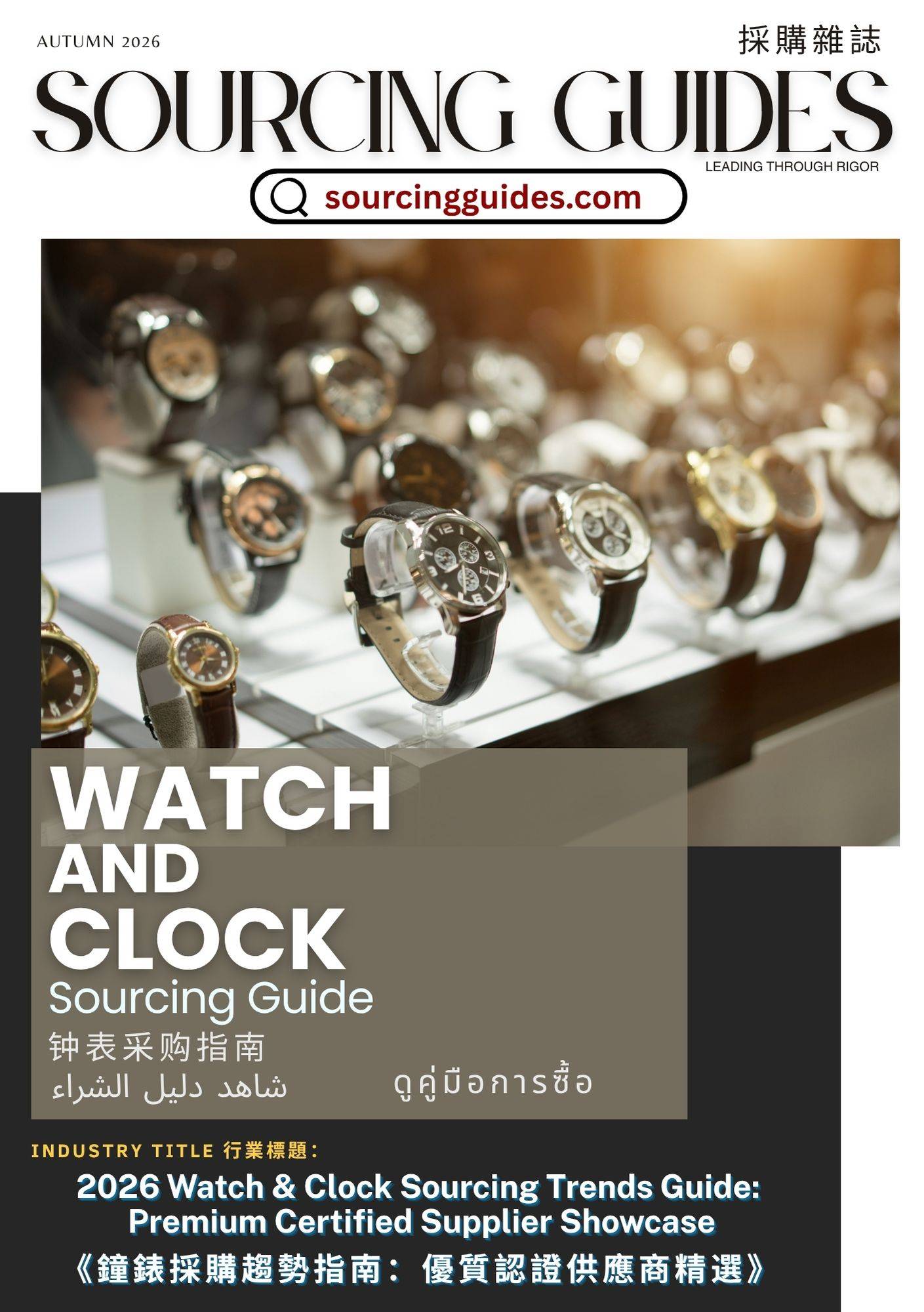

Hong Kong serves as a key bridge for sourcing in the watch sector, blending traditional horology with emerging tech. Recent developments show AI streamlining prototyping—reducing time from concept to physical model through generative design, simulations, and predictive modeling.
The Evolution of Watch Prototyping in Hong Kong
Traditional watch prototyping in Hong Kong has relied on skilled artisans, CAD software, and physical iterations. Factories in areas like Sha Tin and across the border in Shenzhen handle everything from mechanical movements to luxury casings. This process often takes months, involving multiple revisions for precision in components like gears, dials, and cases.
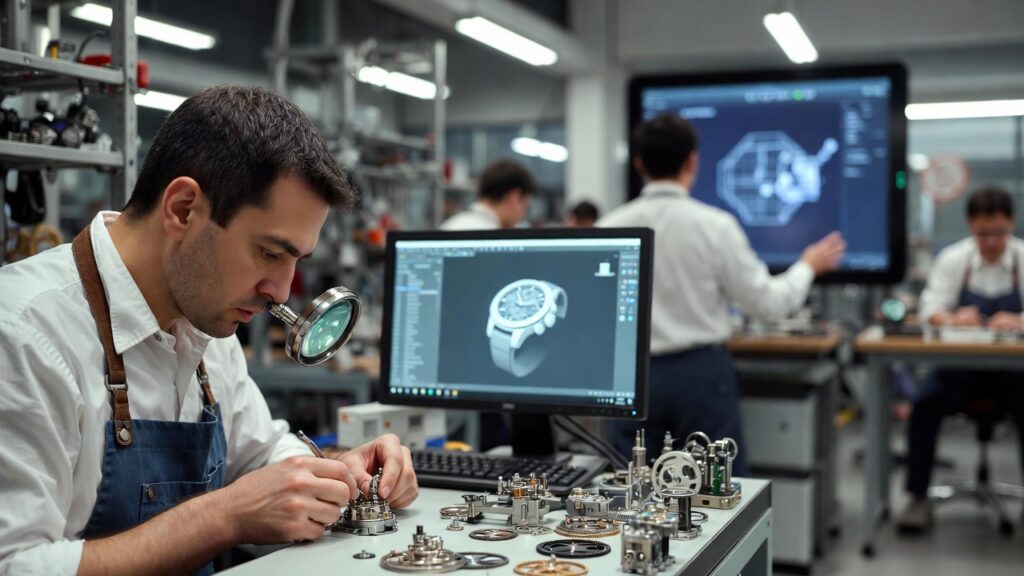
AI changes this by accelerating design cycles. Generative AI tools create multiple design variations based on parameters like aesthetics, material constraints, and functionality. AI-driven simulations test virtual prototypes for durability, balance, and performance before physical builds.
In luxury and smart watch segments, Hong Kong suppliers adopt these tools to meet demands for customization and speed. The Hong Kong Watch & Clock Fair highlights smart and eco-friendly watches, with AI aiding innovation.
How AI Streamlines the Prototyping Process
AI impacts several prototyping stages:
- Conceptual Design and Generative Modeling AI generates watch face layouts, case shapes, and strap integrations from text prompts or sketches. Brands input specs—water resistance, movement type—and AI produces optimized options.
- Simulation and Testing AI runs thousands of virtual tests on movements or materials, identifying flaws early. This reduces physical prototypes and waste.
- Predictive Analytics for Manufacturing AI forecasts production issues, optimizing tolerances for CNC machining common in Hong Kong factories.
- Integration with Smart Features For hybrid or smartwatches, AI prototypes sensor placements and battery efficiency.
These efficiencies help Hong Kong suppliers compete globally, shortening lead times and lowering costs.
Supplier Insights from Hong Kong’s Watch Ecosystem
Hong Kong suppliers note AI’s practical benefits. A factory manager from a mid-sized OEM producing mechanical and quartz watches shared that AI tools cut design iteration time significantly, allowing faster client responses.
In smartwatch production, suppliers leverage AI for health-tracking prototypes. Recent partnerships, like those in AI-powered wearables, show Hong Kong firms supporting global commercialization.
At events like the HKTDC Hong Kong Watch & Clock Fair, exhibitors display AI-enhanced designs. Suppliers experiment with AI for personalized watches, appealing to B2B buyers seeking differentiation.
One insight: AI democratizes advanced prototyping, enabling smaller factories to rival larger ones without massive R&D budgets.
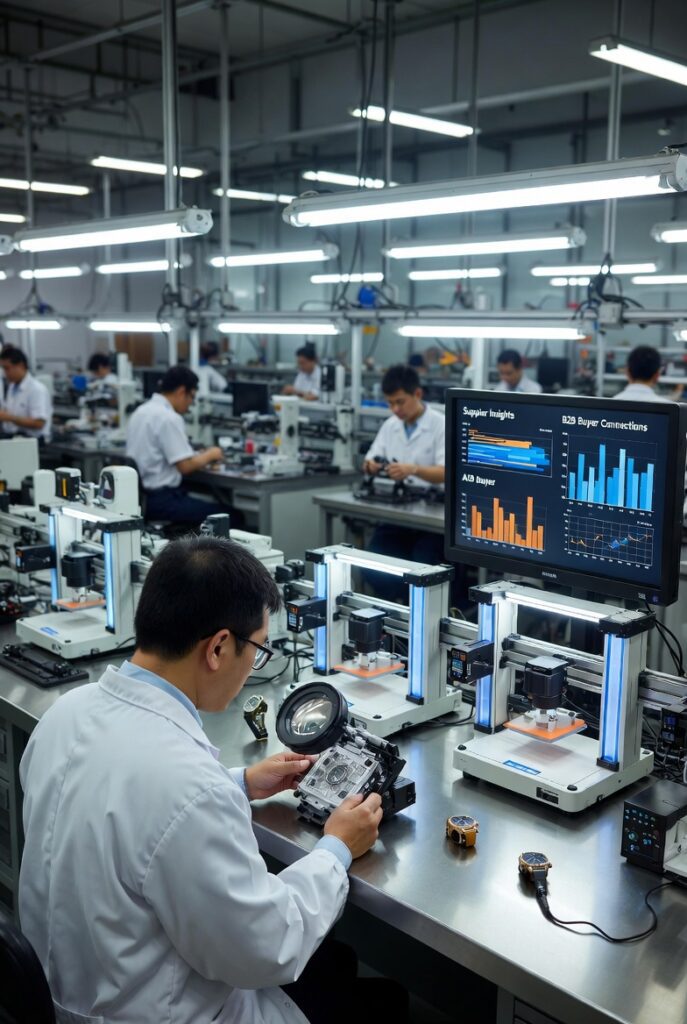
Broader Industry Trends Supporting AI Adoption
China’s wearables market, influencing Hong Kong, sees rapid growth in AI-integrated devices. Smartwatch shipments rose notably in recent periods, with AI features like voice interaction in demand.
Hong Kong’s tech ecosystem, including HKSTP initiatives, fosters AI in manufacturing. CES 2026 showcased Hong Kong innovations in AI and electronics.
In luxury horology, AI enhances precision in movement design. Brands use simulations for reliable mechanisms.
Hong Kong’s position as a sourcing hub benefits from these trends, with suppliers offering AI-accelerated prototyping services to international buyers.
Challenges and Future Outlook
Challenges include data privacy, skill gaps, and balancing AI with craftsmanship. Hong Kong addresses this through training and ethical AI guidelines.
Looking ahead, AI will deepen integration in watch prototyping, enabling complex designs and sustainable practices via material optimization.
For B2B buyers, partnering with Hong Kong suppliers using AI means faster innovation and reliable quality.
AI-driven watch prototyping positions Hong Kong as a forward-thinking hub in the watch and clock industry.
Disclaimer: The information in this article is for general informational purposes only and does not constitute professional advice. While efforts have been made to ensure accuracy based on publicly available sources, SourcingGuides.com makes no representations or warranties of any kind regarding the completeness or accuracy of the content. Readers should conduct their own research and consult experts before making business decisions.