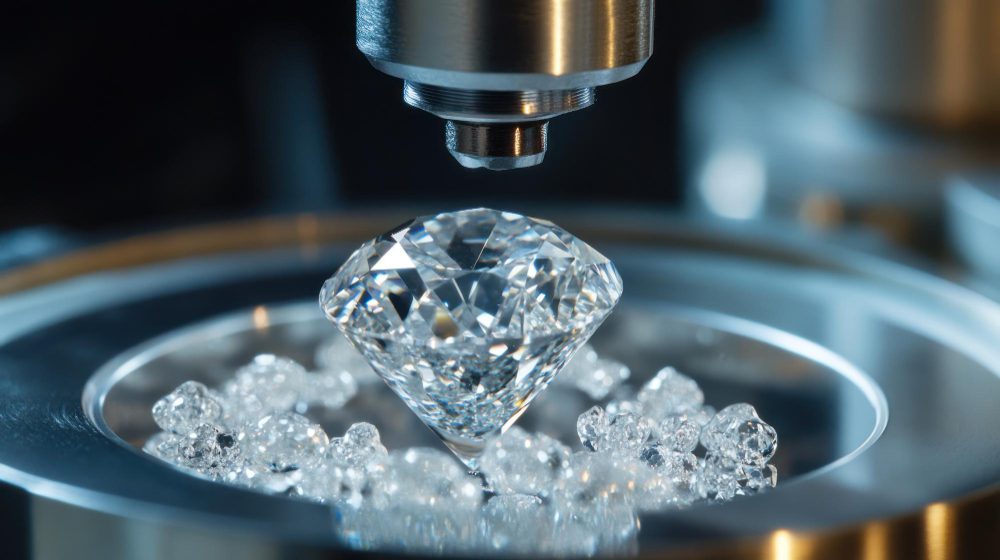
In the glittering halls of Shenzhen’s jewelry districts, where the hum of high-tech reactors rivals the clink of traditional cutters, a quiet revolution is underway. China, long a powerhouse in manufacturing, is now the undisputed epicenter of lab-grown diamond production—a shift that’s not just altering supply chains but challenging the very essence of what makes a diamond “forever.” As global jewelers grapple with volatile natural stone prices and ethical sourcing dilemmas, China’s synthetic gems are emerging as the pragmatic choice: affordable, scalable, and unburdened by the environmental scars of mining. This isn’t mere hype; it’s a market inflection point, driven by technological leaps and consumer tastes that favor sustainability over scarcity. For B2B buyers in the jewelry and gem sector, understanding these lab-grown diamond trends in China means staying ahead of a curve that’s bending toward synthetic brilliance.
Drawing from recent industry reports and news dispatches from the past three months, this analysis forecasts a robust ascent for lab-grown diamonds in China. Production hubs are scaling up, exports are surging, and prices are plummeting, creating fertile ground for strategic sourcing. Yet, as with any boom, pitfalls lurk—regulatory hurdles, quality variances, and the natural diamond lobby’s pushback. In the spirit of DealBook’s unvarnished take on market forces, we’ll dissect the data, peer into the forecasts, and arm procurement pros with actionable B2B strategies. The message is clear: In China’s lab-grown arena, the early adapter won’t just sparkle—they’ll dominate.
The Current Surge: China’s Lab-Grown Diamonds Take Center Stage
Walk into any major gem trade fair in Guangzhou this fall, and the buzz isn’t about rough imports from Africa or Russia—it’s the flawless, conflict-free stones birthed in nearby reactors. Over the last quarter, from late August through mid-November 2025, China’s lab-grown diamond sector has posted eye-popping gains, underscoring a pivot from niche experiment to mainstream juggernaut.
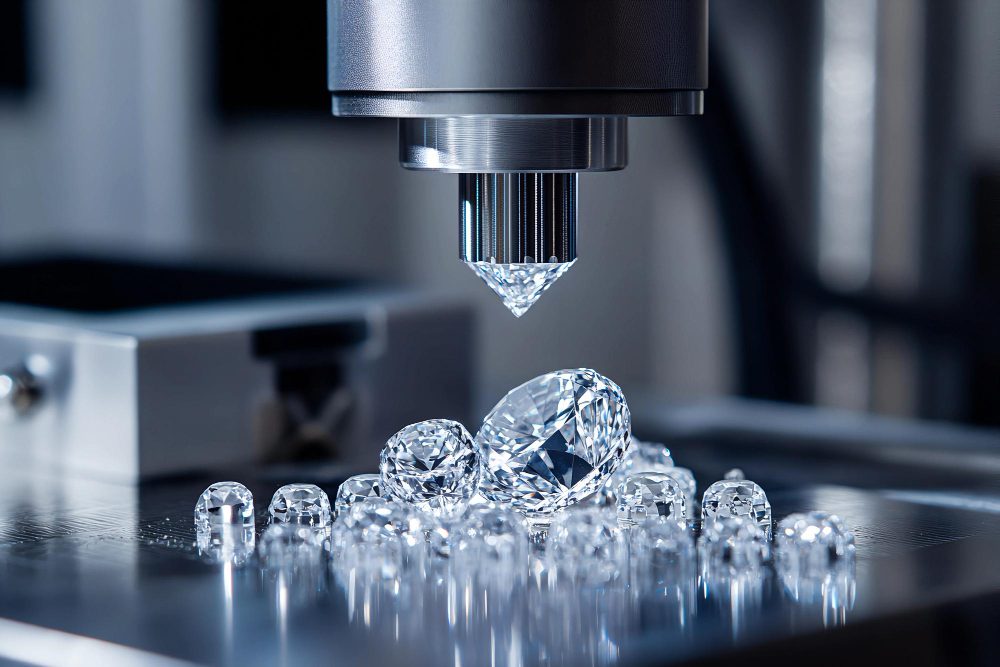
Take the export numbers: Finished lab-grown diamonds shipped out of China have seen a sharp uptick, reflecting factories firing on all cylinders. This momentum aligns with broader gem market shifts reported in outlets like the South China Morning Post, where artificial gems are framed as a counterweight to rising costs in natural diamond imports. Producers in Henan and Wuzhou, leveraging high-pressure high-temperature (HPHT) methods, are churning out carats at rates that dwarf global competitors. Meanwhile, chemical vapor deposition (CVD) facilities in Guangdong are innovating with colored variants—think vivid pinks and blues—that appeal to trend-conscious millennials.
What fuels this surge? Consumer sentiment, for one. Younger buyers in urban China, per recent consumer studies, prioritize ethics and value over heritage. Lab-grown stones, optically identical to their mined counterparts but produced in weeks rather than eons, resonate with this ethos. A September dispatch from People’s Daily highlighted how domestic brands are rebranding synthetics as “new luxury,” packaging them in sleek, tech-forward campaigns that sidestep the De Beers-era romance of rarity. Even as natural diamonds stage a “dazzling renaissance” among high-net-worth traditionalists—as noted in an October SCMP piece—the volume play belongs to labs.
Price dynamics tell the real story of accessibility. Wholesale benchmarks have dipped notably quarter-over-quarter, making these gems a no-brainer for mid-tier jewelers. This deflationary pressure isn’t a bug; it’s a feature of China’s overcapacity, where state-backed R&D has slashed production costs. For B2B players, it’s a buyer’s market: Suppliers are hungry for volume deals, offering customization that natural stones can’t match. But here’s the Sorkin caveat—don’t mistake cheap for worthless. Quality certification from bodies like the Gemological Institute of America (GIA) remains non-negotiable, especially as fakes flood secondary markets.
In essence, the past three months paint a picture of maturation. From Shenzhen’s startup incubators to Shanghai’s boardrooms, lab-grown diamonds are no longer the underdog—they’re the disruptor rewriting China’s $90 billion-plus gem economy.
Peering Ahead: Forecasts for Explosive Growth in China’s Synthetic Diamond Sector
If the recent surge is the spark, the forecast is the inferno. Analysts project that China’s lab-grown diamond market will accelerate at a double-digit clip through the decade, outpacing global averages and cementing the nation’s role as the world’s synthetic gem forge. This isn’t speculative fluff; it’s grounded in supply chain efficiencies and demand vectors that have coalesced in 2025’s back half.
Look at the production pipeline: Facilities in central provinces like Henan are expanding via automation, with CVD tech—praised in an October Future Market Insights report for its precision—poised to dominate colored stone segments. Pink lab-grown diamonds, a hot trend per an late-October Accio analysis, are forecasted to capture outsized share among fashion-forward exports. Broader synthetic diamond applications, beyond jewelry into tools and electronics, will buoy the ecosystem, but gems remain the crown jewel.
On the demand side, China’s domestic consumption is the wildcard. Urbanization and rising disposable incomes in tier-two cities are swelling the middle class, who view lab-grown as aspirational without the splurge. Export forecasts are equally bullish: As U.S. tariffs bite into natural imports (a theme echoed in LinkedIn commentaries from early fall), Asian and European buyers are rerouting to Chinese ports. Jing Daily’s ongoing coverage suggests Gen Z-led brands will drive a “value renaissance,” where synthetics aren’t just cheaper—they’re smarter.
Yet, forecasts come with asterisks. Geopolitical tensions could hike logistics costs, and a natural diamond rebound—fueled by De Beers’ pivot away from synthetics, as reported in August SCMP—might temper enthusiasm. Still, the trajectory points upward: By mid-decade, lab-grown could claim a third of China’s fine jewelry mix, per aggregated industry outlooks. For global B2B networks, this means recalibrating portfolios—diversifying away from volatile African mines toward stable Chinese reactors.
The big takeaway? China’s lab-grown boom isn’t a bubble; it’s a structural shift. Jewelers ignoring it risk being left with dust.
Navigating the Maze: B2B Sourcing Strategies for Lab-Grown Diamonds from China
For procurement officers eyeing China’s lab-grown bounty, the opportunity is tantalizing—but execution demands savvy. Sourcing these gems isn’t like ordering widgets; it’s a blend of due diligence, tech savvy, and cultural fluency. Here’s a playbook distilled from recent supplier guides and market intel, tailored for jewelry firms scaling B2B operations.
First, zero in on hubs. Henan leads in HPHT volume, ideal for colorless melee diamonds used in pavé settings. Guangdong’s Shenzhen cluster excels in CVD for bespoke colors—perfect for high-end engagement rings. Wuzhou, Guangxi’s “Diamond City,” bridges both, offering integrated polishing services. Platforms like Alibaba’s B2B portal, updated in October with vetted directories, streamline discovery. Pro tip: Filter for ISO 9001-certified mills to ensure traceability.
Second, prioritize verification. Demand GIA or IGI grading reports—non-negotiable in a market rife with undercuts. Recent Edahn Golan price trackers show variances up to 20% based on cut quality; audit samples via third-party labs in Hong Kong, a neutral ground for Asian trade. Blockchain provenance tools, increasingly adopted by Shenzhen exporters, add a layer of trust—ask for API access during RFPs.
Third, negotiate smartly. China’s oversupply means leverage lies with buyers: Bundle orders for volume discounts, but layer in clauses for defect recalls. Currency hedging against yuan fluctuations is wise, given forex volatility noted in fall trade briefs. And don’t overlook logistics—opt for bonded warehouses in Shanghai to defer duties, slashing landed costs by double digits.
For Hong Kong-based firms, a stone’s throw from the mainland, hybrid models shine: Source rough synthetics from China, finish in HK’s artisan workshops for that “Made in Hong Kong” cachet. Recent tariff tweaks on gem imports, covered in October SourcingGuides.com dispatches, make this even more compelling—exemptions for certified lab-grown ease cross-border flows.
Finally, build relationships. Attend virtual webinars from the China Gems & Jewelry Trade Association or site visits to Henan parks. These aren’t niceties; they’re intel goldmines on upcoming tech like quantum-enhanced reactors. In B2B sourcing, speed to market wins—and China’s lab-grown ecosystem rewards the proactive.
Implement these, and you’ll not only cut costs but future-proof your supply chain against mining disruptions.
Hurdles on the Horizon: Challenges Tempering the Lab-Grown Ascent
No market story is complete without the thorns. China’s lab-grown diamond trajectory, for all its gleam, faces headwinds that could snag unwary investors and sourcers.
Regulatory flux tops the list. Beijing’s push for “green manufacturing” mandates stricter emissions for coal-powered HPHT plants, per September environmental audits. Non-compliant factories risk shutdowns, disrupting supply. Tariffs, too—U.S. hikes on Chinese goods, amplified in April analyses but lingering into fall—could ripple back, inflating domestic prices.
Quality roulette persists. While top-tier producers shine, smaller outfits peddle “Type IIa” pretenders that fade under UV. Consumer backlash, if undetected, erodes brand equity. And the natural diamond incumbents aren’t idle: De Beers’ August retreat from synthetics signals a purity play, potentially swaying luxury segments where provenance trumps price.
Sustainability claims warrant scrutiny. Lab-grown’s eco-edge—lower water use, no habitat loss—is real, but China’s grid reliance on fossil fuels muddies the narrative. ESG-focused buyers, per October Medium deep dives, demand carbon audits; suppliers lagging here lose bids.
These challenges aren’t deal-breakers, but they demand vigilance. For B2B strategists, stress-testing contracts with force majeure clauses is table stakes.
Seizing the Sparkle: Opportunities for Global Jewelry Buyers
Amid the hurdles, opportunities abound—like veins of uncut rough waiting to be faceted. China’s lab-grown dominance opens doors for innovation: Custom engravings via CVD for corporate gifting, or sustainable lines for e-commerce giants like Tmall.
For Southeast Asian and European importers, it’s a gateway to diversification. Pair Chinese synthetics with regional designs—think Thai-inspired settings—for hybrid collections that blend cost and craft. Hong Kong traders, leveraging free-port status, can arbitrage: Bulk-buy in Shenzhen, re-export polished to duty-free zones.
The ESG angle is pure upside. As global regs tighten on mined gems (EU’s traceability mandates incoming), lab-grown becomes compliance armor. Forward-thinking firms can co-brand with Chinese labs on “carbon-neutral” certifications, commanding premiums in ethical markets.
In short, the rise isn’t just China’s—it’s a global reorder. Buyers who embed lab-grown now will harvest loyalty tomorrow.
Conclusion: A Diamond Dawn for Savvy Sourcers
China’s lab-grown diamond odyssey, from tentative trials to torrent of output, heralds a new era in jewelry. The past quarter’s export leaps, price corrections, and tech tweaks signal not a fad, but a fixture—one forecasted to swell the market’s veins with synthetic vitality. For B2B players, the imperative is clear: Master sourcing from Henan to Shenzhen, navigate regs with eyes wide, and lean into sustainability’s siren call.
In a world where forever is negotiable, lab-grown diamonds offer permanence on your terms—affordable, ethical, endless. The question isn’t if China will lead this charge; it’s how you’ll ride it.
Disclaimer: This article is for informational purposes only and does not constitute financial, investment, or sourcing advice. Market conditions can change rapidly; consult professionals for tailored strategies. All insights are based on publicly available data as of November 2025.
References
- As China churns out artificial gems, is a diamond still forever? (SCMP, Oct 26, 2025)
- Lab-grown diamond industry thrives in China (People’s Daily, Sep 30, 2025)
- Lab Diamond Wholesale Prices Sink 9% QoQ (Edahn Golan, Oct 12, 2025)
- Trend of Pink Lab Grown Diamond 2025 (Accio, Oct 29, 2025)
- China Lab Grown Diamond Market: Trends, Growth, and Forecast (Marketsandata)
- CVD Lab-grown Diamond Market (Future Market Insights, Oct 7, 2025)
- Style Edit: De Beers drops lab-grown diamond jewellery (SCMP, Aug 19, 2025)
- Lab-Grown Diamond Supplier Guide (Alibaba, Oct 25, 2025)
- China’s Lab-Grown Diamond Industry Explained (Medium, Oct 13, 2025)
- China Lab Created Diamond Market Size 2025 (LinkedIn, Oct 25, 2025)