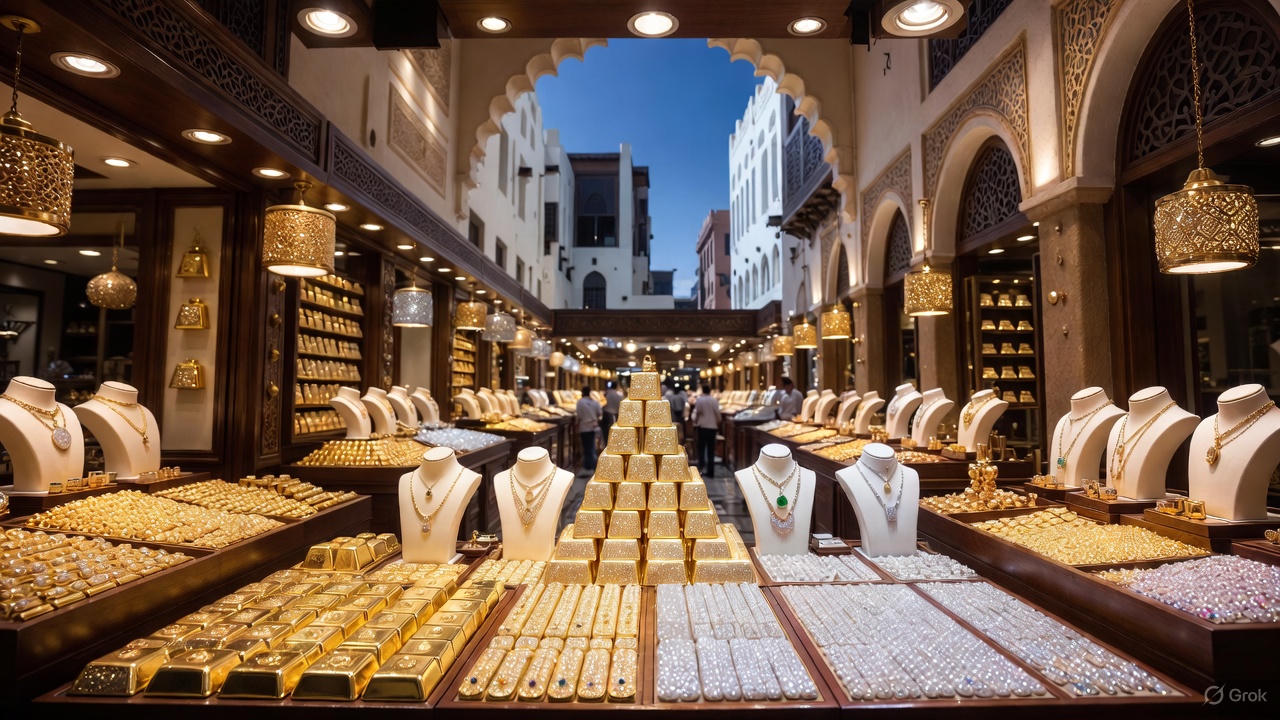
In the glittering souks of Dubai, where gold bars stack like modern art and diamonds catch the desert sun, a quiet revolution is underway. Ethical jewellery—crafted from conflict-free gems, recycled precious metals, and lab-grown stones—is no longer a niche whisper amid the clamor of luxury trade. It’s becoming the new standard, driven by a confluence of affluent consumers, regulatory pushes, and global supply chain scrutiny. As Dubai solidifies its role as the Middle East’s jewellery epicenter, demand for pieces that marry opulence with responsibility is reshaping sourcing strategies for B2B players. This isn’t just a trend; it’s a market imperative, fueled by younger buyers who view their adornments as extensions of personal values and planetary stewardship.
Dubai’s jewellery scene has long been synonymous with extravagance. The city’s Gold Souk, a labyrinth of over 300 retailers, draws traders from across Asia, Africa, and Europe, funneling billions in precious metals annually. But in recent months, conversations at trade hubs like the Dubai International Jewellery Show have pivoted from karat purity to provenance transparency. Ethical sourcing—ensuring gems and metals avoid exploitative mining or environmental harm—has surged in appeal, particularly among the UAE’s multicultural expatriate community and rising millennial elite. Brands are responding with collections that blend Arabic motifs with eco-conscious materials, turning heirloom-worthy pieces into badges of enlightened luxury.
This shift aligns with broader Middle East dynamics, where cultural reverence for jewellery intersects with modern ESG (environmental, social, and governance) priorities. In a region where weddings and festivals fuel much of the demand, buyers are increasingly asking: Where did this emerald come from? Was this gold refined sustainably? The answer matters, as ethical jewellery not only satisfies discerning palates but also mitigates risks in volatile global supply chains.
The Rising Tide of Ethical Consumerism in Dubai’s Luxury Landscape
Dubai’s consumers are a mosaic of influences—South Asian expats favoring intricate goldwork, European tourists seeking bespoke diamonds, and local Emiratis embracing fusion designs that nod to heritage. Yet, a unifying thread emerges: a growing insistence on ethics. Younger demographics, particularly those under 35, are leading the charge, prioritizing pieces that reflect conscious capitalism. This cohort, empowered by social media and global awareness campaigns, views jewellery as more than status symbols—they’re investments in a better world.
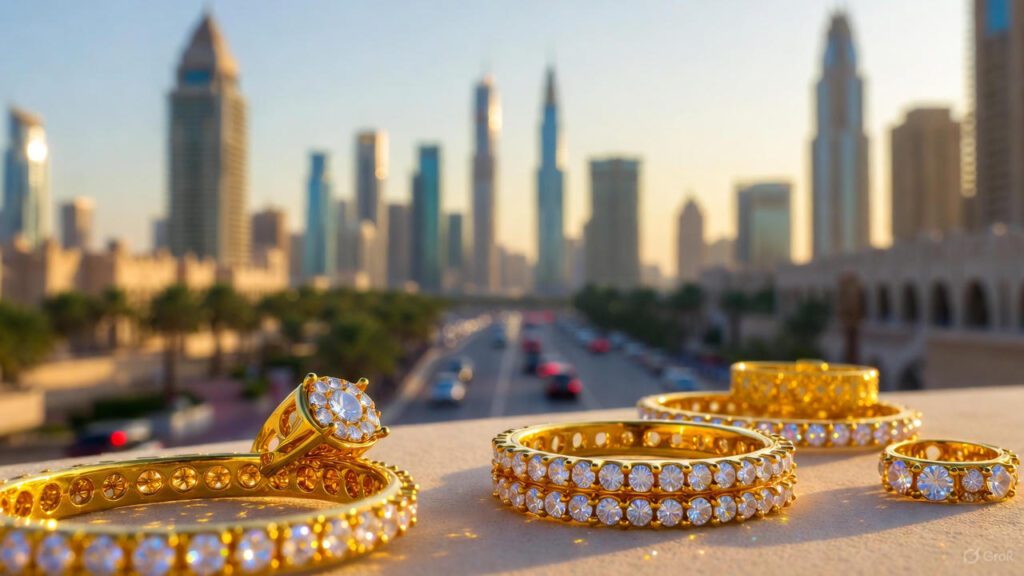
Recent industry moves underscore this momentum. In May 2024, KAJ Fine Jewellery unveiled its Gilded Wings and Petals in Poetry collections, drawing on nature-inspired designs to appeal to UAE’s high-net-worth individuals who demand both elegance and environmental alignment. These lines emphasize handcrafted elements with traceable sourcing, mirroring a broader push where retailers like Nakassi integrate recycled gold and lab-grown diamonds into everyday wear. Such innovations aren’t mere marketing; they’re responses to a market where transparency builds loyalty. Blockchain verification, now commonplace in Dubai’s online platforms, allows buyers to scan a QR code and trace a stone’s journey from ethical mine to finished necklace, fostering trust in an industry long plagued by opacity.
This ethical pivot is amplified by Dubai’s role as a trade nexus. The city’s tax-free status and strategic location make it a gateway for Middle East jewellery imports and exports, but it also exposes vulnerabilities. Reports highlight how unregulated sourcing can lead to supply disruptions, prompting B2B suppliers to pivot toward certified ethical channels. For instance, the emphasis on conflict-free gems resonates in a region sensitive to geopolitical tensions, where provenance assurances can safeguard against boycotts or reputational hits.
Regulatory Tailwinds and Infrastructure Boosting Ethical Sourcing
Dubai isn’t waiting for global mandates—it’s building the infrastructure to lead them. The Dubai Multi Commodities Centre (DMCC), the emirate’s free-trade zone authority, has long championed responsible practices. Since launching the world’s first government-backed lab-grown diamond trading hub in 2023, DMCC has accelerated adoption, positioning Dubai as a pioneer in sustainable gems. This initiative, still rippling through 2025’s trade cycles, aligns with UAE’s Vision 2031, which weaves sustainability into economic diversification. Regulations now require enhanced disclosure for imported gems, with penalties for non-compliance, ensuring that ethical standards aren’t optional but operational.
These policies create a fertile ground for innovation. Local artisans are experimenting with synthetic alternatives—lab-grown sapphires and emeralds that mimic the vibrancy of mined stones without the ecological footprint. At the same time, international players like Cartier and Bulgari are localizing collections, incorporating Arabic calligraphy into ethically sourced designs to capture the UAE’s 99% internet-penetrated market. The result? A virtuous cycle where regulation spurs investment, and investment elevates Dubai’s global standing. For B2B sourcers, this means navigating a landscape where compliance isn’t a hurdle but a competitive edge—certified suppliers command premiums, while non-ethical ones risk obsolescence.
Trade events further cement this trajectory. The Abu Dhabi International Jewellery & Watch Show, held from November 12-16, 2025, spotlighted ethical innovations through its new Sustainable Jewellery Zone, drawing around 200 exhibitors focused on traceable supply chains. Amid these gatherings, discussions of blockchain mandates for all DMCC-traded gems suggest even tighter integration ahead, making Dubai a blueprint for the Middle East’s ethical evolution.
B2B Sourcing Opportunities: Navigating Dubai’s Ethical Gold Rush
For B2B players eyeing the Middle East jewellery market, Dubai offers a treasure trove of opportunities—if approached with foresight. The region’s affluent base, bolstered by tourism rebound and oil wealth, sustains year-round demand, but ethical sourcing unlocks premium segments. Suppliers specializing in recycled metals or fair-trade gems can partner with flagships like Damas Jewellery or Malabar Gold, which dominate UAE retail and emphasize sustainability through ESG initiatives.
Start with certification: Align with Responsible Jewellery Council standards to access DMCC’s vetted networks, where lab-grown options are gaining significant market traction in luxury sales. B2B matchmaking at events like Dubai Jewellery Week facilitates direct connections, from Indian wholesalers offering conflict-free emeralds to African miners providing blockchain-tracked gold. Digital platforms, too, are game-changers—e-commerce hubs like those from Ahmed Seddiqi & Sons enable virtual sourcing, reducing overhead while ensuring ethical audits.
Risk management is key. Diversify suppliers to hedge against price volatility in precious metals, and leverage UAE’s free zones for duty-free imports. For Hong Kong-based traders, familiar with Asian gem flows, Dubai’s proximity via direct flights opens seamless B2B pipelines—think exporting customized ethical pieces for Eid collections. The payoff? Margins 15-20% higher on certified goods, per industry benchmarks, as buyers pay up for peace of mind.
Yet, challenges persist. Intense competition from established players demands differentiation—focus on hybrid designs fusing Middle Eastern filigree with sustainable tech. And while regulations tighten, they favor agile sourcers who invest in traceability tools early.
The Road Ahead: A Sustainable Sparkle for Middle East Jewellery
As 2025 unfolds, ethical jewellery in Dubai isn’t a fleeting fad—it’s the foundation of a resilient market. With consumers demanding accountability and governments enforcing it, B2B opportunities abound for those who prioritize provenance over profit alone. In this desert oasis of luxury, the true gems are those that shine without shadows, promising a brighter, more equitable future for the Middle East’s storied trade.
Data Cited in Article
| Data/Figure | Source |
|---|---|
| UAE Jewelry Market valued at USD 5.28 billion in 2023, expected to reach USD 7.92 billion in 2031, with a CAGR of 5.20% | UAE Jewelry Market Size, Growth, Report, Forecast 2031 |
| UAE Gems and Jewelry Market valued at USD 8.34 billion in 2023, projected to grow at a CAGR of 6.84% through 2029 | UAE Gems and Jewelry Market By Size, Share and Forecast 2029 |
| Approximately 30% of luxury consumers expected to prioritize sustainability in purchasing decisions | UAE Luxury Jewelry Watches Market | 2019 – 2030 | Ken Research |
| UAE e-commerce projected to reach $30 billion | UAE Online Jewelry Market | 2019 – 2030 | Ken Research |
| Demand for unique, bespoke jewelry anticipated to reach $500 million in the UAE | UAE Online Jewelry Market | 2019 – 2030 | Ken Research |
| Internet penetration in UAE at 99% | UAE Online Jewelry Market | 2019 – 2030 | Ken Research |
References
- Top Jewelry Trends in Dubai
- UAE Luxury Jewelry Watches Market | 2019 – 2030 | Ken Research
- Top Gold Jewelry Trends in Dubai for 2025 – The Jewel Teller
- Middle East Jewelry Market Size, Share and Analysis, 2033
- UAE Jewelry Market Size, Growth, Report, Forecast 2031
- UAE Gems and Jewelry Market, By Region, By Competition Forecast & Opportunities, 2019-2029F
- UAE Online Jewelry Market | 2019 – 2030 | Ken Research
- Gems and Jewellery Market Analysis Report 2025: Global Trends, Opportunity, and Forecasts, 2020-2030
- UAE Gems and Jewelry Market By Size, Share and Forecast 2029
- From chunky chains to eco-gems: The biggest jewellery trends of 2025 – The Times of India
Disclaimer: The information in this article is for general informational purposes only and does not constitute professional financial, sourcing, or investment advice. Market data and trends are based on publicly available sources as of November 2025 and may fluctuate. SourcingGuides.com and its contributors are not liable for any decisions made based on this content. Always consult certified experts for business strategies.