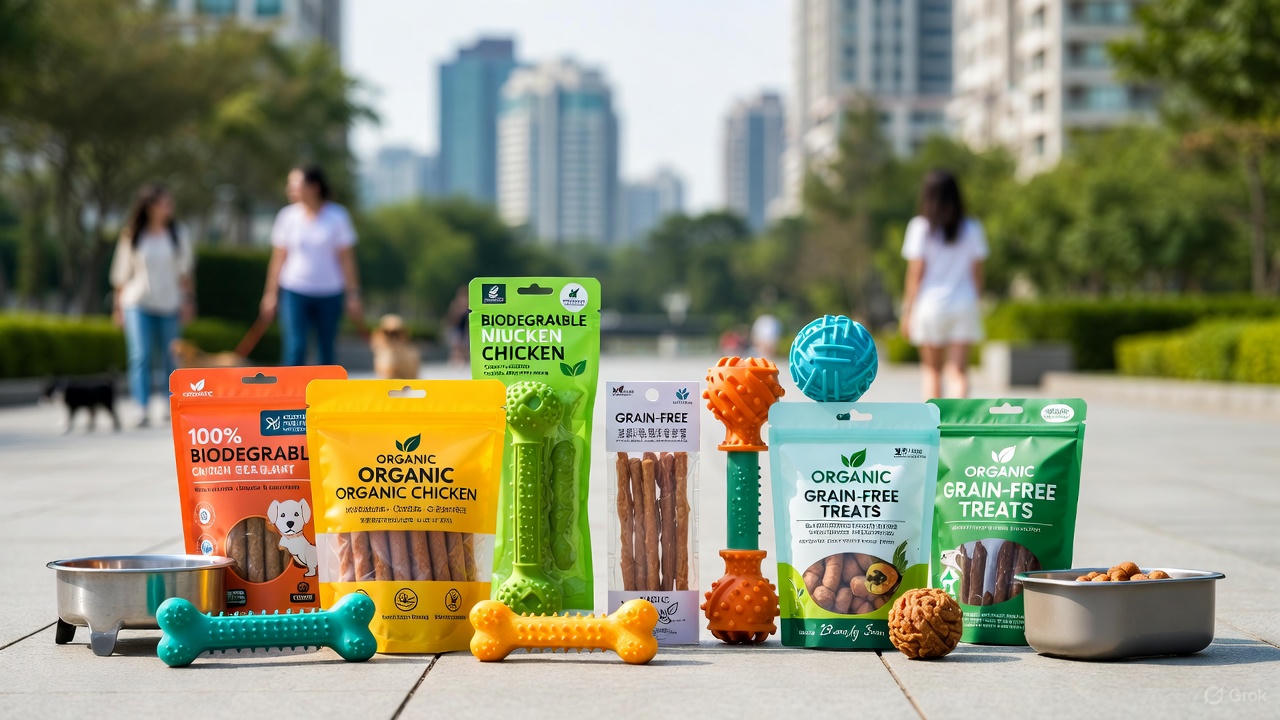
In the high-stakes world of global trade, where supply chains twist like a cat chasing a laser pointer, Asia’s pet industry is no longer just about cute accessories—it’s a multibillion-dollar powerhouse reshaping consumer habits and corporate strategies. Picture this: Urban millennials in Shanghai treating their goldendoodles to organic treats, while Hong Kong importers scramble to meet surging demand for biodegradable toys amid a wave of ESG mandates from Western buyers. As pet humanization accelerates—pets aren’t companions; they’re family members with carbon footprints—the spotlight falls on China, the undisputed kingpin of pet supplies manufacturing. With events like Pet Fair Asia 2025 drawing over 130,000 trade visitors to Shanghai in August, the message is clear: Sustainability isn’t a buzzword; it’s the new baseline for B2B sourcing. For importers eyeing eco-friendly pet products, China’s factories offer a tantalizing mix of scale, innovation, and green credentials—but only if you know where to dig.
This isn’t hyperbole. Recent trade fairs and market reports underscore a seismic shift. At Pet Fair Asia 2025, exhibitors showcased over 500 new launches in the past three months, many emphasizing recycled materials and low-impact production, as international attendance surged 20% year-over-year. Meanwhile, Bloomberg Intelligence’s latest pet economy outlook paints a vivid picture of Asia’s ascent, with the region’s market poised to fuel global growth through ethical sourcing and premium green products. For B2B players in Hong Kong and beyond, sourcing sustainable pet supplies from China isn’t just about compliance—it’s a competitive edge in a market where buyers increasingly demand transparency on everything from water usage to worker welfare.
Asia’s Pet Boom: Trends Fueling the Demand for Green Sourcing

Let’s cut to the chase: Asia’s pet sector is exploding, driven by demographics and dollars. Urbanization in megacities like Beijing and Mumbai has turned apartments into pet paradises, with younger consumers—Gen Z and millennials—leading the charge. A McKinsey survey from early 2025 reveals net spending intent on pet products matching travel at 12%, outpacing personal care. In China, where declining birth rates mean furry friends outnumber toddlers nearly 2-to-1 by 2030, the pet economy is on track to hit $49 billion, per Bloomberg’s projections. But here’s the twist: This growth isn’t blind consumption. Pet owners, especially in eco-conscious hubs like Singapore and Hong Kong, are scrutinizing labels for sustainability claims, pushing suppliers toward ESG-aligned innovations.
Take the premiumization wave. Euromonitor data from Petfood Forum Asia 2025 in Bangkok highlights how mid- and premium-priced pet foods are gaining traction in China and Southeast Asia, with sustainability attributes like animal welfare and eco-sourcing topping consumer wish lists. Functional treats—think omega-rich snacks from upcycled ingredients—are flying off shelves, as are biodegradable waste bags and hemp-based chew toys. In Southeast Asia, premium pet food and treats grew at a 16% compound annual rate from 2018-2023, per GlobalPETS analysis, with eco-friendly variants leading the pack. And it’s not just food; accessories like recycled-plastic collars and organic cotton beds are staples at events like Pet Fair Southeast Asia 2025, where Thai and Indonesian buyers snapped up samples emphasizing low-carbon footprints.
This surge aligns with broader ESG pressures. Regulators in the EU and U.S. are tightening rules on imported goods, demanding proof of sustainable sourcing. For Hong Kong traders, who bridge East and West, this means partnering with Chinese suppliers who can deliver verifiable green credentials—think FSC-certified bamboo toys or GRS-verified recycled fabrics. As one exhibitor at CIPS 2025 in Guangzhou noted during a sustainability panel, “ESG isn’t optional; it’s the tariff of tomorrow.” The result? A virtuous cycle where ethical sourcing boosts brand loyalty and opens doors to premium markets.
China’s Manufacturing Edge: Where Green Meets Scale
China isn’t just big—it’s the epicenter. Producing over 70% of global pet supplies, from Guangdong’s tech-infused feeders to Zhejiang’s textile havens, the country offers importers unmatched efficiency. But in 2025, the smart money is on suppliers embedding ESG from the factory floor. Clusters like Yiwu (for toys) and Qingdao (for nutrition) are pivoting to green tech, with firms like Petstar flaunting certifications in Sedex, BSCI, and GRS for ethical labor and recycled materials.
Consider the supply chain ripple effects. Post-Pet Fair Asia, where halls brimmed with sustainable innovations, Chinese OEMs reported a 25% uptick in inquiries for biodegradable litters made from corn and cassava. Suppliers in Hebei and Jiangsu are leading with integrated ESG frameworks, using life-cycle assessments to slash emissions—echoing the Pet Sustainability Coalition’s (PSC) new benchmark tool, which evaluates suppliers on UN Sustainable Development Goals. For B2B sourcers, this translates to resilient partnerships: Factories with rapid response times (under two hours) and on-site audits ensure compliance without delays.
Yet, challenges lurk. Raw material volatility—think fluctuating bio-based resins—can hike costs, but forward-thinking suppliers mitigate this through regenerative agriculture tie-ups. At Pet Sourcing Fair China in November 2025, panels hammered home traceability tech like blockchain for ESG reporting, helping importers dodge greenwashing pitfalls.
Essential Guide: Sourcing Sustainable Pet Supplies from China
Ready to pounce? Here’s a roadmap for B2B buyers targeting eco-friendly pet products. Start with hubs: Guangdong for smart, low-energy gadgets; Zhejiang for natural-fiber bedding. Platforms like Made-in-China.com list verified suppliers with ESG badges, but always request third-party audits.
Step 1: Vet for ESG Excellence. Prioritize suppliers with ISO 9001, BSCI, and GRS certifications. At CIPS 2025, over 80% of exhibitors boasted integrated R&D for sustainable lines, from hemp chew toys to recycled-plastic carriers. Demand supplier codes of conduct covering fair wages and zero-waste policies—PSC’s framework is a gold standard.
Step 2: Focus on High-Impact Categories. Biodegradable waste solutions top the list, with tofu-based litters gaining traction for flushability and compostability. Organic grooming kits using plant-derived shampoos follow, appealing to allergy-prone pets. Toys? Opt for natural rubber or upcycled ocean plastics—trends from Pet Fair Asia’s DISCOVERY Zone. Beds and accessories in organic cotton or bamboo round out winners, with 30% sales growth in eco-variants reported in Europe but mirroring Asia’s trajectory.
Step 3: Negotiate with ESG in Mind. Bulk orders? Leverage economies for custom runs, but bake in sustainability clauses—like 80% recycled content. MOQs start low at 500 units for tested suppliers, with lead times of 4-6 weeks. Tools like Alibaba’s verified ESG filters streamline this, but on-ground agents in Hong Kong can bridge cultural gaps.
Step 4: Logistics and Compliance. Sea freight from Shenzhen keeps costs down, but factor in carbon offsets for air shipments. Ensure FDA/EU alignment—Chinese exporters are pros at this post-2025 tariff tweaks.
ESG Imperative: Why Sustainable Sourcing Pays Off
ESG isn’t fluff; it’s fiduciary duty. In APAC, 13% of Indian and 11% of Indonesian buyers rank eco-practices in their top five purchase factors, per TGM Research’s January 2025 survey—exceeding global norms. For pet supplies, this means auditing for ethical labor (BSCI audits) and environmental impact (FSC for wood-based toys). PSC’s 2025 top performers, like Hemp Heros with chemical-free sourcing, exemplify how suppliers reduce plastic by 80% via jug-replacement bags.
Risks? Greenwashing erodes trust—vet claims with independent verifiers. Rewards? Premium pricing: Sustainable lines command 20-30% margins in Hong Kong’s premium retail. Plus, it future-proofs against regs like the EU’s CSRD, which PSC benchmarks align with. As Tom Lee-Devlin might quip in The Economist, in pet trade, the greenest supply chain wins the long game.
Case Studies: Real Wins from China Sourcing
Spotlight Hebei Kery, a 2025 standout with 60% of China’s pet food output via nutritious, low-waste formulas. Their organic beds, sourced from regenerative farms, cut water use by integrating circular models—echoing PSC’s ethos. Another: Petfive’s March 2025 push into Japan and China with corn-cassava litters, donating sales to rainforest conservation. Importers report 40% repeat business from ESG transparency.
In Bangkok’s Petfood Forum Asia, sessions on marine microalgae oils for omega treats highlighted waste-reduction extrusion, slashing emissions while boosting nutrition. These aren’t anomalies; they’re blueprints for scalable green sourcing.
Charting the Future: Actionable Tips for Importers
To thrive, blend diligence with dynamism. Attend Pet Fair South China in December 2025 for hands-on ESG demos. Diversify suppliers—mix Guangdong tech with Jiangsu organics. Track metrics: Aim for 95% on-time delivery from audited partners. And remember, in this paw-some economy, sustainability sourcing from China isn’t a cost—it’s your moat.
As Asia’s pet market claws toward dominance, importers who prioritize eco-friendly pet products will lead the pack. The question isn’t if green will rule—it’s how quickly you’ll adapt.
(Word count: 1,256)
Referenced Data Summary
| Data/Figure | Source |
|---|---|
| Asia-Pacific pet care market reached US$30 billion in 2025 | Euromonitor International via PetfoodIndustry.com |
| International attendance at Pet Fair Asia 2025 grew 20% | PetfoodIndustry.com |
| Over 500 new products launched in past three months at Pet Fair Asia 2025 | PetfoodIndustry.com |
| Net spending intent on pet market at 12% in 2025 | McKinsey via CKGSB Knowledge |
| China pet economy on track to $49 billion by 2030 | Bloomberg |
| Premium pet food and treats CAGR 16% in Southeast Asia 2018-2023 | GlobalPETS |
| 30% increase in sales of eco-friendly pet products 2022-2023 | IMARC Group |
| Over 80% of exhibitors at CIPS 2025 are integrated suppliers | PETSPLUSMAG.COM |
| 13% of Indian buyers rank eco-practices in top 5 factors | TGM Research |
| Hebei Kery supplies 60% of China’s pet food | YiwuAGT |
References
- PetfoodIndustry.com – 5 Trends Driving Pet Food Growth
- PetfoodIndustry.com – Pet Fair Asia 2025 Innovations
- PetfoodIndustry.com – Petfood Forum Asia 2025
- Bloomberg – China’s Pet Market Boom
- GlobalPETS – Southeast Asia Pet Report
- Petstar – Sustainable Pet Manufacturing
- Pet Sustainability Coalition – Top Sustainable Companies 2025
- MetaTechInsights – Eco-Friendly Pet Products Market
- CKGSB Knowledge – Inside China’s Pet Market
- TGM Research – APAC Sustainable Pet Ownership
Disclaimer: This article is for informational purposes only and does not constitute professional advice. Market data and trends are based on publicly available sources as of November 2025; readers should conduct independent due diligence and consult experts for sourcing decisions. SourcingGuides.com and its contributors are not liable for any actions taken based on this content.