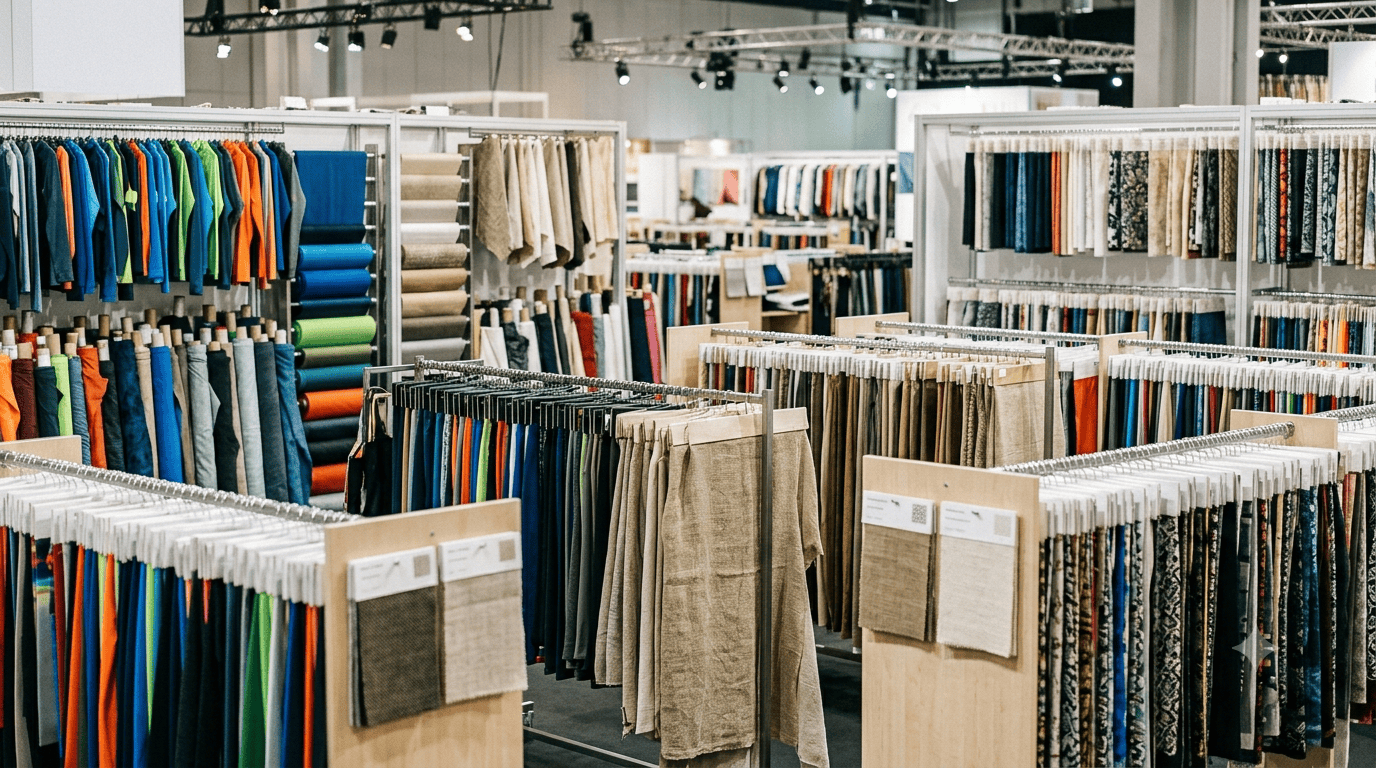
While thousands of procurement teams flooded the halls of Hong Kong, Ho Chi Minh City, and Bangkok this spring, you don’t have to fall behind. Here are the 4 breathtaking apparel breakthroughs—from Vietnam’s eco-fabrics to Hong Kong’s smart leisurewear—that dominated the floors. Navigating the rapidly shifting global supply chain requires clear foresight, and missing the major mid-year textile trade shows across Asia can leave inventory calendars vulnerable. For enterprise volume buyers, retail brand managers, and B2B procurement professionals who were unable to walk the exhibition floors this season, catching up on the newest manufacturer offerings is vital to securing a competitive market edge for the upcoming cycles.
The Ascent of High-Performance Smart Leisurewear
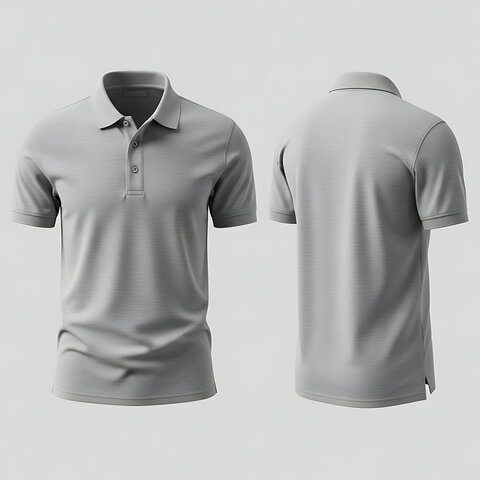
The commercial dividing line between athletic apparel and formal workplace wear has completely collapsed based on the dominant showcases seen at regional design pavilions this year. Smart leisurewear emerged as a primary focus for international buyers who required premium garments capable of transitioning seamlessly from active transit to professional corporate environments. Manufacturers exhibited highly specialized synthetic blends engineered with advanced thermoregulation properties, moisture-wicking structures, and permanent wrinkle resistance woven directly into the yarn. B2B buyers placed significant trial orders for these tailored knitted blazers and structured travel trousers because they effectively answer the massive consumer demand for high-utility, low-maintenance premium apparel. This product segment represents an excellent opportunity for high-margin retail expansion, particularly for brands targeting urban professional demographics.
Traceable Agriloop Textiles and Bio-Synthetics
Environmental corporate compliance is no longer a localized luxury but a strict global standard enforced by tightening regulatory frameworks across major consumer markets. Procurement teams exploring regional production options focused intensely on the massive influx of certified sustainable fabrics, notably bio-synthetics derived from alternative agricultural waste. These innovative textiles utilize pineapple leaf fibers, banana pseudo-stems, and advanced recycled polyethylene terephthalate blends that offer the exact tensile strength and hand-feel of virgin luxury cotton and silks. Suppliers across major manufacturing hubs have heavily invested in vertical integration to provide verifiable chain-of-custody documentation, ensuring that every batch of material can be traced directly back to its ethical processing plant. Securing partnerships with these forward-thinking textile mills allows enterprise buyers to insulate their brands against impending environmental import audits while satisfying eco-conscious consumers.
Multi-Functional Utility Accents and Modular Assembly
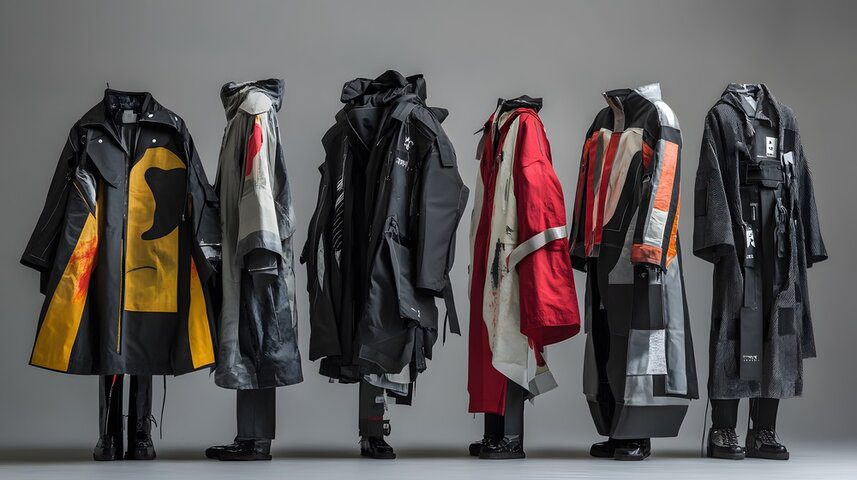
A profound shift toward modular utility garments dominated the product runways, signaling a structural evolution in outerwear and technical street fashion. Suppliers showcased complex, export-ready apparel pieces utilizing detachable internal layering components, hidden weatherproofing ventilation zippers, and integrated modular storage pockets. This design aesthetic relies on heavy-duty, rust-resistant hardware paired with lightweight nylon ripstop textiles engineered to endure diverse weather conditions. For corporate sourcing managers, this modular trend provides a highly versatile avenue to streamline product development cycles by leveraging a single, high-quality base pattern across multiple seasonal collections. By simple modification of the detachable components, brands can rapidly iterate product lines without entirely redesigning their primary manufacturing infrastructure.
Circular Economy Monofilament Garments
The ultimate goal of sustainable textile engineering took center stage with the commercial debut of true circular economy monofilament apparel lines. Traditional clothing manufacturing relies heavily on complex fiber blends that make chemical recycling nearly impossible at the end of a product life cycle. To combat this industrial bottleneck, advanced Asian apparel factories presented beautifully tailored garments constructed entirely from single-polymer formulas, extending from the primary body fabric down to the sewing threads and labels. When a consumer eventually discards a monofilament item, the entire piece can be melted down and re-extruded into high-quality yarn without any sorting or material degradation. Smart B2B buyers are proactively integrating these easily recyclable monofilament collections into their long-term sourcing portfolios to future-proof their operations against strict global waste management laws.
Strategic Procurement Moving Forward
Remaining ahead of global fashion cycles requires structural flexibility and direct communication channels with verified overseas manufacturing operations. If your procurement firm missed the physical trade show windows earlier this year, your primary objective should center on initiating digital discovery protocols with established regional producers. You can discover highly detailed supplier assessments, market intelligence breakdowns, and verified vendor networks by regularly reviewing the comprehensive trade directories hosted on Sourcing Guides. For critical macroeconomic context and formal international commerce guidelines, procurement teams should cross-reference their supply network expansion plans with the official industrial development updates provided directly via international government sources to verify regional compliance standards. Taking a methodical, data-driven approach to alternative factory vetting ensures your business maintains robust supply chain resilience throughout the remainder of the year.