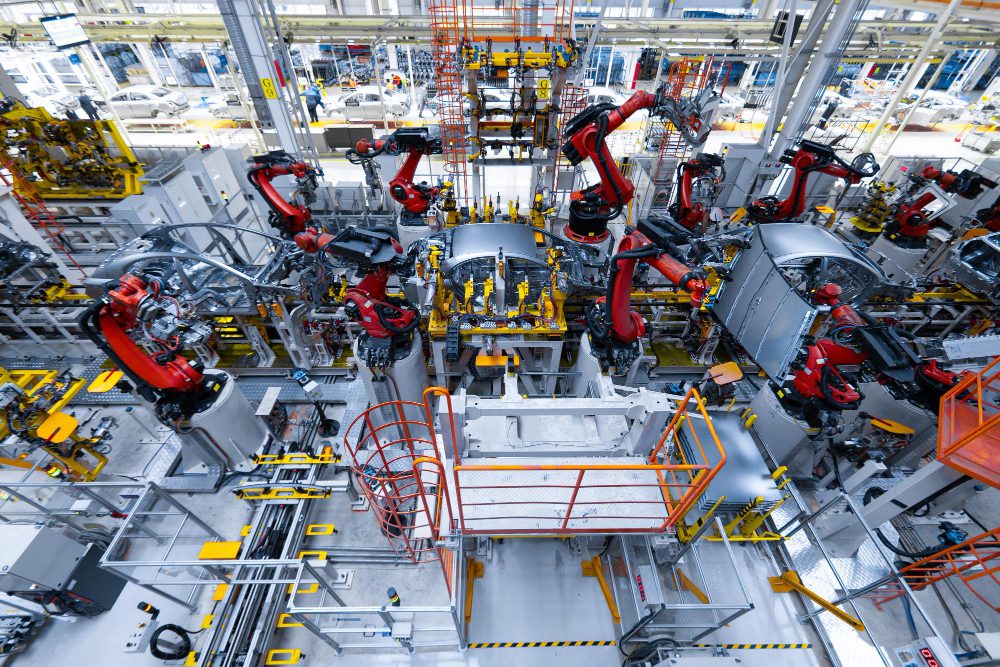
In the humming factories of Shenzhen and the sprawling industrial parks of Shanghai, a quiet revolution is underway—one that’s as precise as a laser-cut gear and as relentless as the assembly lines it powers. China, long the world’s factory floor, isn’t just building machinery anymore; it’s reinventing how it’s made. At the heart of this transformation? Artificial intelligence. AI isn’t some futuristic add-on here—it’s the smart oil greasing the wheels of production, optimizing every turn, twist, and torque in the industrial machinery and equipment sector. As global buyers eye supply chains strained by tariffs and disruptions, understanding AI’s role in China’s machinery manufacturing could be the edge you need to source smarter, faster, and more reliably.
Picture this: A massive CNC machine in a Guangdong workshop, churning out precision parts for wind turbines. Without AI, it’s a marvel of engineering, but prone to the human errors and mechanical hiccups that eat into profits. With AI? It’s a self-correcting beast, predicting failures before they happen, tweaking feeds and speeds on the fly, and slashing waste by up to 30%. This isn’t hype—it’s happening now, driven by Beijing’s aggressive push under the “Made in China 2025” blueprint, which has evolved into a full-throttle AI integration strategy. As we hit October 2025, fresh data shows China’s machinery sector isn’t just adapting to AI; it’s leading the charge, with robot installations surging and factories going “smart” at a clip that leaves the West scrambling.
I’ve covered the gritty underbelly of global supply chains from Wall Street to the shop floors of Asia, and let me tell you: China’s AI machinery boom isn’t just about efficiency—it’s a masterclass in resilience. In a world of volatile trade rules and escalating costs, sourcing from AI-optimized Chinese suppliers means betting on precision, sustainability, and speed. But it’s not without risks. Join me as we dive into how AI is optimizing machinery production in China, backed by the latest numbers, and arm you with supplier insights to make your next sourcing decision a winner.
The AI Blueprint: China’s Master Plan for Smart Machinery
Flash back—or forward, depending on your timeline—to August 2025. The State Council drops a bombshell policy: “Opinions on Deepening the Implementation of the ‘Artificial Intelligence+’ Initiative.” It’s not vague legalese; it’s a roadmap with teeth, targeting AI fusion in manufacturing by 2027. For the industrial machinery and equipment industry, this means everything from robotic arms welding heavy-duty presses to algorithms fine-tuning assembly lines for agricultural harvesters and CNC lathes. Shanghai, ever the pacesetter, rolls out its own plan that same month, aiming to deploy AI-powered robotics and digital twins across key sectors like aerospace and new energy equipment. The result? By September 2025, China boasts over 30,000 smart factories, with 1,200 classified as “advanced” and 230 as “excellence-level”—many churning out machinery components with AI at the core.
This isn’t Beijing’s first rodeo. The “Made in China 2025” initiative, launched a decade ago, set the stage by prioritizing intelligent manufacturing in 10 high-tech sectors, including advanced rail, electrical equipment, and agricultural machinery. Fast-forward to 2025, and it’s paying dividends. A Rhodium Group analysis confirms China hit most MIC 2025 goals, with domestic content in core machinery materials jumping from 40% in 2020 to nearly 70% this year—fueled by AI-driven localization. But the real magic? AI’s role in optimization. According to the International Federation of Robotics, China installed nearly 300,000 new industrial robots in 2024 alone—more than the rest of the world combined—pushing total deployments past 2 million units. These aren’t dumb bots; they’re AI-infused, learning from data to handle complex tasks like adaptive welding on heavy excavators or predictive calibration for injection molding machines.
Why does this matter for global sourcing? In an era of “nearshoring” buzz, China’s AI edge keeps it indispensable. Factories here aren’t just cheaper; they’re smarter, with total factor productivity in AI-powered plants up 20-25% year-over-year, per Xinhua reports from July 2025. For B2B buyers in Hong Kong—mere hours from these hubs—this translates to faster lead times and greener ops, as AI minimizes energy waste in machinery production.
Predictive Power: How AI Keeps Machinery Lines Humming
Let’s get tactical. AI’s crown jewel in Chinese machinery manufacturing is predictive maintenance—the art of spotting trouble before it tanks your timeline. Sensors embedded in lathes, mills, and presses feed real-time data to AI models that crunch vibrations, temperatures, and wear patterns. The payoff? Downtime slashed by 40-50%, according to a World Economic Forum blueprint released in early 2025.
Take BOE Technology, a display panel giant that’s pivoted AI into machinery ops. In July 2025, they unveiled an AI system for quality inspection and defect repair, boosting graphic processing efficiency by 35% and cutting labor costs 20%. Scale that to heavy machinery: Imagine sourcing hydraulic presses from a supplier where AI forecasts spindle failures days in advance, ensuring your order ships on spec. Lenovo’s LCFC plant in Hefei does just that—using AI to analyze 47 production factors across 700,000+ machinery units, optimizing sorting methods that balance cost and delivery with eerie precision.
Data from the China Internet Development Report 2024 (updated September 2025) shows nearly 10,000 digital workshops nationwide, many in machinery, where AI-driven analytics have shortened defect cycles by half. For importers, this means sourcing AI-optimized machinery isn’t just reliable—it’s resilient. A July 2025 New York Times piece highlights how Huawei’s Ascend chips, despite U.S. export curbs, power these systems, enabling “good enough” predictive tools that keep production humming at 90% uptime.
Quality and Customization: AI’s Precision Edge in Production
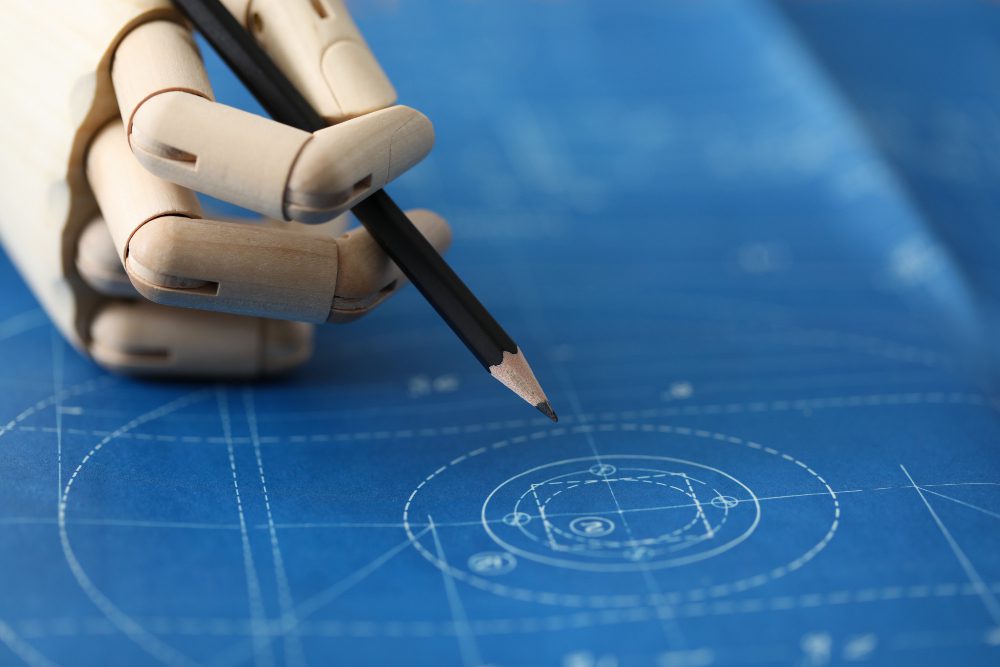
Gone are the days of one-size-fits-all gears. AI is ushering in mass customization for industrial machinery, where algorithms design bespoke components on demand. Generative AI tools, like those from Alibaba’s Qwen model, simulate thousands of prototypes in hours—what used to take weeks. In September 2025, DeepSeek’s V3.1 update extended context windows for these models, allowing deeper integration into CAD software for machinery design.
Computer vision takes quality control to another level. AI cameras scan welds and assemblies in real-time, flagging defects with 99% accuracy—far beyond human inspectors. A Reuters report from May 2025 spotlights Shanghai’s AgiBot factory, where AI-humanoid robots fold, assemble, and inspect machinery parts, integrating models like DeepSeek to cut error rates by 60%. By Q3 2025, this tech has proliferated: China’s humanoid robot output hit nearly 100 units last year, per the Ministry of Industry and Information Technology, with costs plummeting to $35,000 per bot—half if sourced domestically.
For sourcing pros, this spells opportunity. Suppliers using AI for customization can pivot from standard excavator arms to tailored aerospace tooling overnight, meeting Hong Kong’s just-in-time demands without inventory bloat.
The Humanoid Horizon: Robots Reshaping the Factory Floor
No discussion of AI in China’s machinery manufacturing is complete without humanoid robots—the “physical AI” that’s got Elon Musk sweating. In a June 2025 Bloomberg deep-dive, experts predict over 100 breakthroughs in embodied AI by mid-2026, with China leading via a $138 billion venture fund. These bots aren’t sci-fi; they’re welding, lifting, and assembling heavy machinery components in Hefei and beyond.
Unitree and UBTech, two Shenzhen heavyweights, entered mass production in 2025, with bots priced at $17,000 by 2030—thanks to China’s supply chain mastery. A September 2025 Financial Times update notes SMIC trialing domestic AI chipmaking tools, closing the gap on U.S. processors for robot brains. Morgan Stanley counts 36 Chinese humanoid models unveiled in 2024 versus eight U.S. ones, signaling a flood of AI-optimized labor for machinery lines.
The upside for sourcers? Factories with these bots scale output 50% without headcount spikes, per RAND’s June 2025 policy review. But watch the ethics: Beijing’s debating workforce impacts as robots displace routine tasks.
Sustainability Surge: AI’s Green Thumb in Machinery Making
AI isn’t just fast—it’s eco-smart. In machinery manufacturing, where energy guzzles like furnaces and forges rule, AI optimizes flows to cut emissions 15-20%. The World Economic Forum’s January 2025 report details how digital twins—virtual replicas of production lines—simulate low-carbon tweaks, from alloy mixing to logistics.
A ScienceDirect study from July 2025 links “Made in China 2025” AI interventions to urban green growth, with machinery firms reducing waste via intelligent scheduling. BOE’s AI system, for instance, trims energy in panel machinery by 25%, aligning with ESG mandates that Hong Kong buyers crave.
Sourcing Smart: Supplier Insights for AI-Powered Machinery
Alright, executives—time for the playbook. Sourcing AI-optimized machinery from China? Start with vetted hubs like Shenzhen’s Huaqiangbei or Hefei’s clusters. Key tip: Prioritize suppliers with “robots with licenses”—certified AI bots under Shanghai’s program—for reliability. Freelance agents on platforms like Fiverr, fluent in Mandarin and AI tools, can decode supplier data for hidden gems, cutting research from weeks to days.
Vet for AI maturity: Look for digital twins and predictive analytics in their pitches—signs of 20%+ efficiency gains. Negotiate via AI-backed insights: Tools like LevaData flag cost savings and risks, empowering better terms. Top picks? Unitree for robotic arms, BOE for precision tooling suppliers. Risks? Geopolitical chip curbs—insist on Huawei-compatible systems. And always audit for sustainability: ESG-compliant factories get premium pricing in Hong Kong markets.
Pro tip: Hybrid human-AI audits. Visit (virtually if needed) to see bots in action—it’s the difference between a supplier and a partner.
The Road Ahead: AI’s Next Gear in Global Sourcing
China’s AI machinery surge isn’t a flash—it’s the new normal. With $8.2 billion in national AI funds flowing in January 2025 and compute capacity hitting 300 EFLOP/s by year-end, expect humanoid swarms and zero-waste lines by 2030. For Hong Kong buyers, this means a sourcing goldmine: Faster, greener, customizable gear at competitive edges.
But here’s the Ruhle reality check: AI amplifies strengths—and flaws. Over-reliance could spark job shifts, and U.S. export controls linger. Still, the data screams opportunity. As one Hefei factory boss told Reuters in May, “AI isn’t replacing us—it’s upgrading us.” Time to upgrade your sourcing game.
References
- China Briefing: Understanding China’s AI + Manufacturing Roadmap
- The New York Times: There Are More Robots Working in China Than the Rest of the World Combined
- RAND: Full Stack: China’s Evolving Industrial Policy for AI
- The New York Times: China Is Spending Billions to Become an A.I. Superpower
- World Economic Forum: Blueprint to Action: China’s Path to AI-Powered Industry Transformation
- ScienceDirect: Made in China 2025: Artificial intelligence intervention and urban green economy development
- Xinhua: Chinese companies embrace AI-driven industrial upgrades
- Reuters: China’s AI-powered humanoid robots aim to transform manufacturing
- Bloomberg: Watch China’s Next AI Breakthrough – Physical AI
- Financial Times: China trials its first advanced tools for AI chipmaking
Disclaimer: The information in this article is for general informational purposes only and does not constitute professional advice. SourcingGuides.com and the author make no representations or warranties of any kind, express or implied, about the completeness, accuracy, reliability, suitability, or availability of the information contained herein. Any reliance you place on such information is therefore strictly at your own risk. Always consult with qualified professionals for sourcing decisions.