In the vast and ever-shifting landscape of global luxury markets, few stories are as compelling as China’s evolving appetite for high-end jewellery. As we step into 2026, the narrative isn’t one of unbridled growth but of resilience amid caution—a tale that echoes the broader economic recalibrations rippling through the world’s second-largest economy. For executives at multinational conglomerates like Kering or LVMH, and for mid-tier suppliers eyeing B2B opportunities, understanding these nuances isn’t just academic; it’s a blueprint for strategy. Drawing from recent reports and market movements, this analysis unpacks the trends shaping luxury jewellery demand in China, spotlighting where savvy sourcers can find their edge.
The Current Pulse: A Market in Transition
China’s luxury jewellery sector, a cornerstone of the broader luxury goods ecosystem, is showing signs of stabilization after a turbulent 2024. Revenue in the Luxury Jewelry market amounts to US$45.32bn in 2025. This figure positions China as a dominant player, yet the growth trajectory is modest, with an expected annual increase of 1.83% from 2025 to 2030. Meanwhile, the overall luxury goods market in China stands at US$91.97bn in 2025, with a 2.13% growth outlook through 2030.
These numbers come against a backdrop of consumer restraint. In late 2025, reports highlighted a shift toward “emotional spending,” where shoppers prioritize feel-good purchases amid economic uncertainty. For jewellery, this manifests in a preference for pieces that blend sentiment with value—think heirloom-quality gold or gems that double as investments. Domestic brands like Laopu Gold have capitalized on this, launching a US$350 million share placement in October 2025 to fuel expansion amid surging demand for gold products. The Beijing-based jeweler has defied broader consumption slumps, positioning itself as a luxury phenomenon by appealing to middle-class buyers seeking reliable, culturally resonant items.
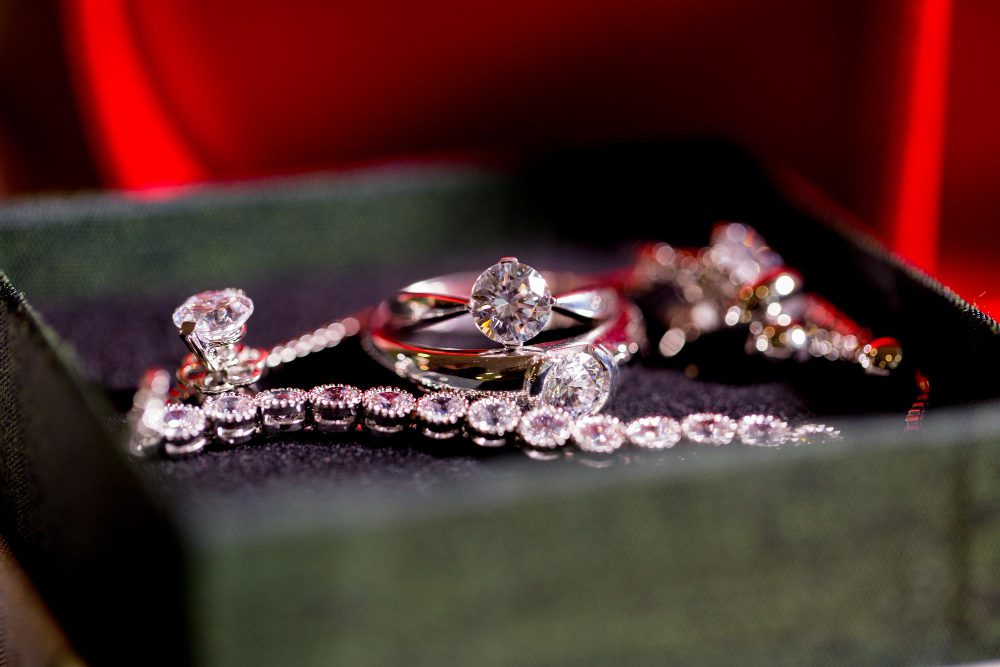
Yet, not all segments are thriving equally. High-end diamond jewellery faces headwinds from China’s booming production of lab-grown alternatives, which are eroding demand for natural stones by offering flawless options at a fraction of the cost. This duality underscores a market where affordability increasingly trumps exclusivity, even in luxury circles.
Key Drivers: From Brand Loyalty to Sustainability
What’s propelling—or restraining—this demand? Consumer surveys from late 2025 reveal that 61% of global shoppers view brand as paramount in jewellery purchases, a sentiment that spikes to 82% among Chinese consumers. This brand affinity is driving investments like Kering’s December 2025 stake in Baolan, a high-end gold jewellery brand, signaling confidence in China’s maturing tastes.
Economic factors loom large. China’s luxury market experienced an 18-20% year-on-year decline in 2024, reverting to 2020 levels due to low confidence and outbound spending shifts. For 2025, analysts predict flat growth in personal luxury goods, setting a stable—if not explosive—base for renewal. Jewellery, however, has proven more resilient than apparel or handbags, driven by younger, diverse buyers. Trends like opaque gems, brown tones, and layering are defining 2025 aesthetics, appealing to a demographic that values personalization over ostentation.
Sustainability is another pivot. Retailer insights from October 2025 emphasize gold and self-wear pieces as key, with eco-friendly practices gaining traction amid ESG scrutiny. Natural diamonds are rebounding in perception, seen as symbols of enduring value in China. For B2B players, this means suppliers emphasizing traceable sourcing—such as ethical gem mining in Africa or recycled gold from Europe—could capture premium contracts.
Economic Headwinds and Regional Nuances
No discussion of China’s luxury jewellery demand is complete without addressing macroeconomic pressures. Auction houses reported an uptick in global sales for 2025, totaling a projected US$14.1 billion across Sotheby’s, Christie’s, and Phillips, but Asia lags behind a US-led recovery. In China, cautious spending is evident in reports noting soft demand during the Christmas week of 2025, with a focus on affordable luxury. Earlier in December, similar observations highlighted margin squeezes for manufacturers and tourism-boosted retail in nearby UAE, contrasting with China’s inward turn.
Geopolitics adds layers. Trade rules and supply chain disruptions—think tariffs on imports or fluctuations in gem exports from Myanmar—impact pricing. Yet, China’s dominance in artificial gems production offers a counterbalance, potentially lowering costs for high-end synthetic pieces and opening doors for innovative B2B partnerships.
Sourcing Opportunities: Where B2B Meets the Boom
For international suppliers and buyers, China’s luxury jewellery market presents fertile ground for B2B sourcing. With demand tilting toward gold and colored gems, opportunities abound in partnering with domestic factories for co-branded lines. Laopu Gold’s success story illustrates how reliability and cultural alignment can yield dividends; foreign suppliers could leverage similar narratives by offering raw materials like sapphires or emeralds tailored to Chinese preferences.
Lab-grown diamonds, despite price pressures, represent a growth niche. China’s production prowess means B2B deals could involve technology transfers or joint ventures, allowing Western firms to access cost-efficient manufacturing while complying with sustainability standards. Retailer surveys confirm gold remains king, with self-wear items driving sales—ideal for suppliers specializing in customizable pieces.
Events like trade shows in Shanghai or Hong Kong offer networking hubs, where previews of 2026 trends could spark deals. For risk-averse sourcers, focusing on mid-tier luxury—US$1,000 to US$5,000 pieces—mitigates exposure to high-end volatility. Data-driven approaches, such as analyzing market forecasts, can guide inventory decisions, ensuring alignment with projected growth.
Looking Ahead: Renewal on the Horizon
As Bain & Company forecasts, luxury is poised for growth in 2026, with China’s market stabilizing as a launchpad. Jewellery’s relative strength—bolstered by emotional and investment appeal—suggests it could lead the charge. For B2B stakeholders, the key is agility: adapting to trends like digital tools for virtual try-ons or AI-driven personalization.
In sum, China’s luxury jewellery demand in 2025 is a study in contrasts—restrained yet resilient, traditional yet innovative. As global players recalibrate, the winners will be those who source smartly, blending data with intuition to tap this enduring market.
Reference Sources
- Statista Luxury Jewelry – China
- Statista Luxury Goods – China
- SCMP Laopu Gold share placement
- SCMP Laopu Gold phenomenon
- SCMP Artificial gems
- Bain & Company China luxury flat
- Bain & Company luxury stabilizing
- 36Kr Baolan investment
- SCMP Big 3 auction houses
- BoF Jewellery brand survey
Disclaimer
This article is provided for informational purposes only and does not constitute financial, investment, or sourcing advice. All data and insights are based on publicly available sources as of January 1, 2026, and readers should conduct their own due diligence. SourcingGuides.com assumes no liability for decisions made based on this content.