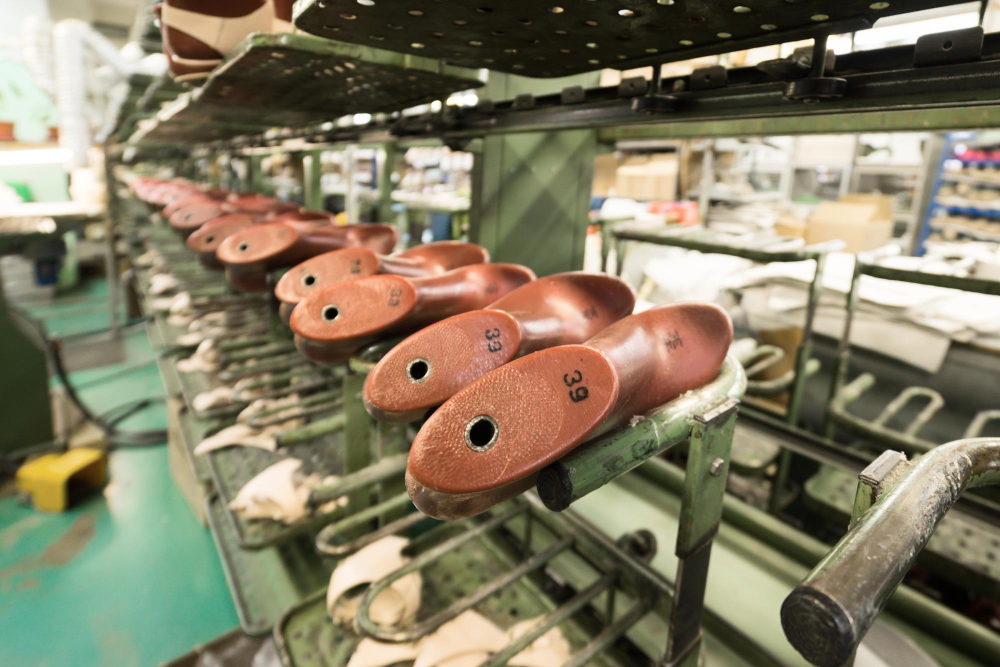
In the labyrinth of global supply chains, China’s footwear industry stands as a colossus, producing billions of pairs annually and dominating the world’s shoe racks. Yet, as environmental concerns lace tighter around business practices, buyers are increasingly seeking not just cost efficiency but a greener stride. For those in the apparel sector eyeing fashion accessories and footwear, sustainable sourcing from Chinese suppliers offers both promise and pitfalls. This guide, drawing on recent developments, unpacks the trends, policies, and practical steps for navigating eco-friendly options with an ESG lens—environmental, social, and governance factors that are no longer optional footnotes but core to corporate strategy.
China’s pivot towards sustainability is no mere fashion statement; it’s a calculated march driven by domestic imperatives and international pressures. With the world’s largest manufacturing base, the country is grappling with its environmental footprint while positioning itself as a leader in green innovation. For B2B buyers, this means opportunities to source footwear that aligns with ethical standards, but only if they tread carefully amid hype and reality.
The Green Shift in Chinese Manufacturing

China’s footwear sector, a subset of its sprawling apparel industry, has long been synonymous with volume and velocity. Recent data paints a picture of transformation, however. Amid this, sustainable practices are gaining ground, spurred by consumer demand and regulatory nudges.
A notable trend is the rising consumer preference for eco-conscious products. This domestic pull is amplified globally, where brands face scrutiny from environmentally aware markets in Europe and North America.
In the footwear niche, innovations like bio-based materials are emerging. For instance, major players are experimenting with alternatives such as mycelium leather, which reduces carbon emissions compared to traditional hides. Trade fairs, like the recent CHIC Autumn event, featured dedicated zones for sustainable innovations, showcasing everything from recycled synthetics to low-water production techniques. These developments signal that Chinese suppliers are adapting, with certifications like ISO 14001 for environmental management becoming more common among factories.
Yet, the shift isn’t uniform. While coastal hubs like Guangdong and Zhejiang lead in green tech adoption, inland regions lag, often prioritizing cost over compliance. Buyers must discern between genuine sustainability and greenwashing—claims of “eco-friendly” that evaporate under scrutiny.
Government Policies Driving Change
Beijing’s hand in this green evolution is firm and far-reaching. The 14th Five-Year Plan, concluding this year, emphasized a circular economy, with targets for reducing waste and promoting clean tech. Looking ahead, the 15th Five-Year Plan (2026-2030) will double down on carbon neutrality goals, integrating green development into industrial policy.
Specific to textiles and apparel, policies aim to establish a nationwide waste textile recycling system by 2025. This directly impacts footwear, where recycled polyester and rubber are increasingly viable. The Central Economic Work Conference this month outlined tasks including advancing full green transitions, underscoring sustainability as a pillar for high-quality growth.
ESG frameworks are woven into these policies. Exporters must comply with mandatory ESG standards, with a reported percentage of fashion accessory suppliers holding certifications like the Global Organic Textile Standard (GOTS). International regulations, such as the EU’s Corporate Sustainability Due Diligence Directive, add external pressure, compelling Chinese firms to audit supply chains for environmental and social risks.
For sourcing pros, this means leveraging government-backed incentives. Subsidies for energy-efficient factories and tax breaks for green R&D can lower costs for compliant suppliers. However, enforcement varies; recent reports highlight inconsistencies, where some regions excel in audits while others skirt rules.
Selecting Sustainable Suppliers: A Practical Guide
Sourcing eco-friendly footwear starts with due diligence. Begin by identifying suppliers through platforms like SourcingGuides.com or Alibaba’s verified green sections. Look for certifications: ISO 50001 for energy management, alongside GOTS or Bluesign for materials.
Assess ESG holistically. Environmentally, query water usage—footwear production is notoriously thirsty—and waste management. Socially, ensure fair labor practices; audits from bodies like the Fair Labor Association can verify this. Governance-wise, transparent reporting on carbon footprints is key; tools like digital product passports, piloted in recent supply chain strategies, provide traceability from raw materials to finished goods.
Negotiate with ESG in mind. Request life-cycle assessments for products, favoring those with recycled content or biodegradable soles. For fashion accessories like belts or bags that pair with footwear, seek integrated suppliers who handle both, minimizing transport emissions.
Case in point: Collaborating with firms that have adopted mycelium or plant-based leathers can differentiate your line. Recent launches, such as those at Hong Kong sustainability events, demonstrate how Chinese innovators are blending tradition with tech—think bamboo-infused soles that echo ancient craftsmanship while meeting modern eco-standards.
Build relationships. Factory visits, though logistically challenging, reveal true practices. Virtual audits via AI tools are rising, offering real-time insights into operations.
ESG in Practice: Innovations and Case Studies
Real-world examples illuminate the path. One athletic brand showcased at a recent Hong Kong expo uses carbon-reducing mycelium leather in children’s footwear, certified by international standards. This not only cuts emissions but appeals to ESG-conscious buyers.
In the broader sustainable footwear market, Asia Pacific figures show robust growth, with China at the forefront due to its scale.
Challenges persist. Supply chain resilience is a buzzword post-2025 disruptions, with recommendations for adaptive strategies like nearshoring elements while retaining Chinese expertise. Digital tools, from AI forecasting to blockchain traceability, are essential for ESG compliance.
Challenges and Risks in Sustainable Sourcing
No rose-tinted view would be complete without thorns. Tariffs and trade tensions, as seen in recent US-China negotiations, disrupt flows. Footwear tariffs hover in the double digits, potentially inflating costs for green imports.
Environmental claims can be overstated. Without third-party verification, “sustainable” might mean minimal changes. Social issues, like labor conditions in smaller factories, require vigilant monitoring.
Market fragmentation adds complexity. While premium segments embrace ESG, mass-market footwear often prioritizes price, slowing widespread adoption. Economic headwinds could stall progress.
Mitigate risks by diversifying suppliers and insisting on contractual ESG clauses. Insurance against supply disruptions, tied to sustainability metrics, is emerging.
Future Outlook: Striding Towards a Greener Horizon
Looking to 2026 and beyond, China’s footwear sector is poised for greener growth. Market projections for sustainable footwear show steady compound annual increases, outpacing global averages. With the 15th Plan emphasizing innovation, expect more bio-materials and circular models—shoes designed for disassembly and reuse.
For Hong Kong buyers, proximity offers advantages: faster shipping reduces emissions, and regional hubs like Shenzhen facilitate hybrid sourcing. Global trends, such as the projected multibillion-dollar sustainable fashion market, will pull Chinese suppliers upward.
Yet, success hinges on collaboration. Buyers must push for transparency, while suppliers invest in verifiable green tech. As one industry report notes, barriers like consumer reluctance to pay premiums persist, but regulatory tailwinds could tip the scales.
Conclusion
Sustainable footwear sourcing from China is a journey, not a sprint. By focusing on ESG, leveraging policies, and selecting vetted suppliers, B2B players can secure eco-friendly options that bolster brand integrity and bottom lines. In an era where every step counts towards planetary health, choosing Chinese partners wisely could be your firm’s most fashionable move.
Reference Sources
- Asia Pacific Sustainable Footwear Industry Report 2025
- 2026 Apparel Trends in Asia-Pacific: Forecasting China’s Fashion Accessories Footwear Boom
- ANTA Sports Debuts in ReThink HK 2025
- China Country Report Macroeconomic and Sustainability Analysis
- Sustainable Footwear Market: Poised to Reach USD 15.9 Billion by 2032
- Fashion Supply Chains: Resilience, Digital Change & Hybrid Models
- Despite tariffs, China consumer giants push into the US
- China’s textile sector poised for sustainable transformation
- Sustainable Footwear 2025-2033: Preparing for Growth and Change
Disclaimer
The information provided in this article is for general informational purposes only and is based on publicly available sources as of December 2025. While efforts have been made to ensure accuracy through fact-checking, the author and SourcingGuides.com make no representations or warranties of any kind, express or implied, about the completeness, accuracy, reliability, suitability, or availability with respect to the article or the information contained therein. Readers are encouraged to verify all data and consult professional advisors before making business decisions. Any reliance placed on such information is strictly at your own risk.