
While standard hotel rooms are lagging, official providers have shattered records, more than doubling the hospitality package revenues of any previous World Cup by selling premium, high-end experiences. The massive shift in consumer behavior during the 2026 tournament highlights a stark divide in the corporate travel and leisure sectors, as traditional transient bookings face unexpected lulls while premium, structured experiences thrive. For corporate buyers and procurement professionals navigating this high-stakes landscape, understanding how the official program reshaped the event economy offers vital insights into the modern premium supply chain. By analyzing the strategic architecture of this commercial triumph, B2B stakeholders can better understand how luxury tiering and experiential curation drive corporate spending even during broader market corrections.
Radical Tiered Product Architecture
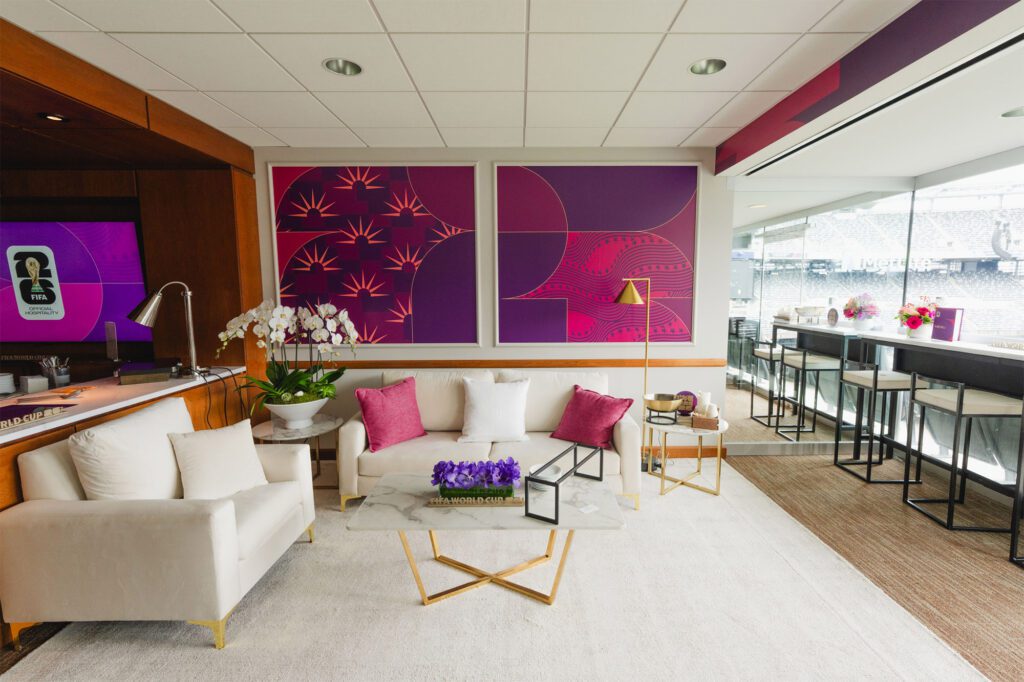
The foremost driver of this unprecedented financial surge is a hyper-segmented product tiering system that caters specifically to high-net-worth individuals and corporate client needs. Rather than offering a standard luxury experience, the 2026 structure features distinct configurations like the vibrant outdoor atmosphere of the special pavilion, the immersive field-level environment of the pitchside lounge, and a highly exclusive platinum access program. This premium tier allows buyers to customize their entire tournament itineraries by seamlessly integrating regional excursions and private transport logistics directly into their match schedules. This approach ensures that procurement teams can select exact service levels that align with their corporate entertainment and client-retention goals, converting a simple match ticket into a comprehensive corporate asset.
Decentralized B2B Sales Networks
To maximize global reach and tap into distinct regional markets across three host nations, the overarching sales strategy moved away from centralized distribution toward localized, high-incentive partnerships. Official providers leveraged major domestic sports leagues and localized sales agents across more than one hundred countries to act as direct regional distributors. This decentralized model capitalized on pre-existing corporate relationships within host cities, making the acquisition of high-value packages frictionless for local enterprises. By utilizing regional experts who understand the nuances of local corporate tax write-offs and client entertainment standards, the program successfully captured private and corporate investments in equal measure.
The Shift from Rights-Fee to Shared Revenue Models
A fundamental shift in the financial engineering of international tournament logistics has allowed organizing bodies to gain much more direct exposure to hospitality revenue than in past cycles. Moving completely away from the traditional fixed rights-fee model used in prior tournaments created a collaborative ecosystem where both the global governing body and its premium experience partners shared the financial upside of real-time market demand. This alignment of financial interests meant that digital checkout platforms, marketing campaigns, and stadium reconfigurations were continuously optimized to favor high-margin premium spaces over standard seating. For B2B buyers, this structural shift resulted in highly responsive customer service and a guarantee that the physical infrastructure of the hospitality spaces would receive top operational priority.
Capitalizing on Multi-Match and Team-Specific Bundles
Recognizing that corporate procurement managers require predictability when budgeting for major international client trips, the official program introduced flexible, asset-backed bundling strategies. Buyers were empowered to purchase packages structured around specific host cities, tournament stages, or dedicated team-follow programs rather than just single-match allocations. This strategic bundling effectively mitigated the inherent risk of tournament sports, where corporate hosts rarely know which nations will progress to late-stage matches. By securing geographic or team-specific continuity, B2B buyers could confidently plan long-term corporate hospitality schedules months before the first whistle blew.
Creating High-Barrier Experiential Scarcity
In a broader hospitality market where standard hotel rooms face occupancy pressures due to a surge in short-term residential rentals, the official program maintained an ironclad grip on stadium perimeters. By controlling exclusive hospitality rights within the secure stadium boundaries, the program offered perks that external luxury hospitality providers simply could not replicate, such as accelerated entry through fast-track security checkpoints and direct access to internal stadium lounges. This deliberate creation of experiential scarcity insulated the program from external market competition, forcing corporate buyers to invest directly in official channels to secure top-tier client safety, convenience, and prestige. As businesses look to maximize the return on investment for their corporate entertainment budgets, the roaring success of this premium ecosystem proves that true exclusivity remains an unstoppable economic engine.