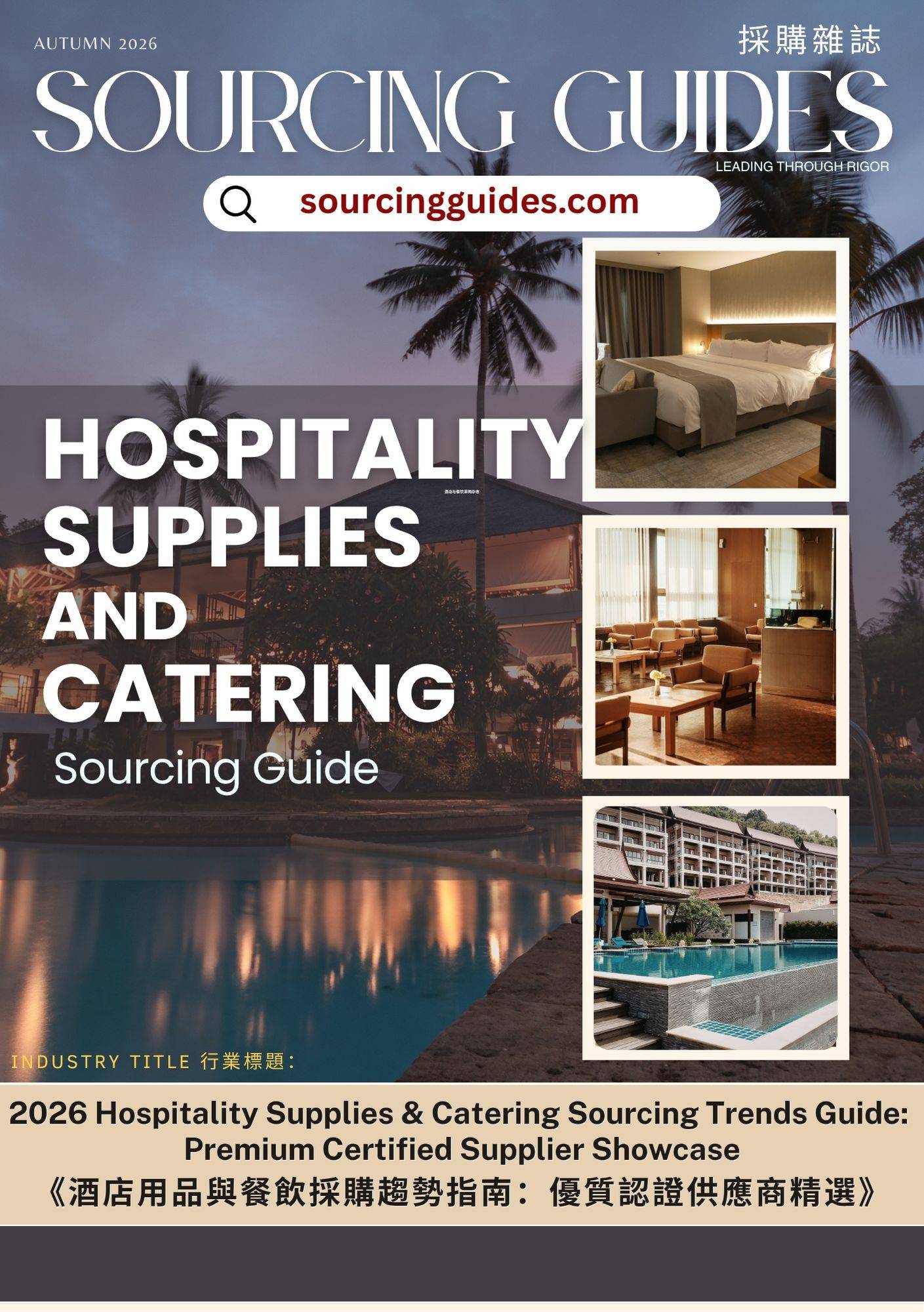

In the rarefied world of global sporting spectacles, few events rival the economic gravitational pull of the FIFA World Cup. As the 2026 edition — the first 48-team tournament spanning the United States, Canada, and Mexico — hurtles toward its June 11 kickoff, one segment is already rewriting the record books: official hospitality. On Location, FIFA’s exclusive hospitality provider, has reported record-breaking sales, with more than 500,000 packages allocated and revenues more than doubling those of any previous World Cup, surpassing the entire 2022 Qatar program a full year in advance.
This isn’t just fan enthusiasm; it’s a multibillion-dollar signal rippling through supply chains, procurement departments, and supplier networks worldwide. For hotels, retailers, caterers, and merchandisers, the boom presents both unprecedented opportunity and a stern test of operational resilience. The challenge: scaling premium experiences for high-net-worth fans and corporate clients without succumbing to the standard pitfalls of demand spikes — inventory lags, quality erosion, and cost overruns.
The Scale of the Opportunity
The numbers are staggering. Hospitality packages range from premium stadium lounges with chef-driven dining and private suites to ultra-exclusive add-ons, including one reported $4 million package offering pitch access for the final. These aren’t mere tickets; they bundle prime seating, upscale F&B, entertainment, and bespoke experiences. With packages sold to fans in over 125 countries and all 50 U.S. states, the program has become the largest hospitality effort in global sports history.
Broader economic projections underscore the ripple effects. Visitor spending across North America could exceed $8 billion, fueling demand in accommodations, catering, and merchandising far beyond official channels. Host cities like Dallas (nine matches), Atlanta, Los Angeles, and New York/New Jersey are ground zero, but secondary markets and fan zones will see sustained pressure throughout the June 11–July 19 window.
This creates a premium tier that traditional mass tourism doesn’t touch. Corporate buyers and affluent fans seek elevated, seamless experiences — think locally inspired gourmet menus, sustainable luxury linens, and branded merchandise that feels exclusive rather than commoditized. Suppliers who position themselves here stand to capture margins well above standard B2B sourcing.
Premium Catering: From Scale to Sophistication
Catering represents one of the most immediate pressure points — and opportunities. Official hospitality demands world-class F&B: live cooking stations, premium beverages, and menus reflecting the tournament’s multicultural draw. Local and regional suppliers in host cities are already being tapped for fan festivals, sponsor activations, and hotel group dining.
Hotels face fluctuating daily demand tied to match schedules, with diverse international palates requiring everything from halal and vegetarian options to high-end fusion. Procurement best practices emerging from early preparations emphasize early forecasting: communicating usage projections to distributors 6–8 weeks in advance, prioritizing reliable suppliers for core items, and building FIFA-themed menus around profitable, scalable dishes.
For global buyers, this points to diversified sourcing. Chinese manufacturers and wholesalers in hubs like Yiwu are ramping up for ancillary catering supplies — from premium disposables and servingware to event branding materials — leveraging their speed and cost efficiency. Meanwhile, local producers in North America gain an edge on fresh, traceable ingredients that align with sustainability demands.
The strategic play: Build hybrid supply chains. Core staples from established global partners for consistency; hyper-local for differentiation and ESG appeal. This mirrors lessons from past mega-events, where procurement agility separated successful operators from those scrambling mid-tournament.
Accommodations: Navigating the Demand Spike Without the Lag
Standard room inventory is already a flashpoint. While official hospitality packages include premium lodging elements, broader hotel demand is uneven across host cities. Some markets show softness in early bookings, raising fears of a late surge that could overwhelm unprepared properties.
Smart operators are treating this as a procurement and forecasting exercise. Early coordinated procurement is non-negotiable: securing linens, amenities, FF&E upgrades, and staff uniforms months ahead. Frameworks from industry guides stress inventory optimization, alternative supplier networks, and technology for real-time demand monitoring.
Hotels can avoid “standard room lags” by:
- Implementing dynamic revenue management with minimum length-of-stay restrictions around key matches.
- Partnering with sourcing specialists for bulk OS&E (operating supplies and equipment) to maintain quality amid volume.
- Exploring modular or pop-up premium experiences — temporary luxury lounges or concierge add-ons — sourced from flexible suppliers.
For international hotel groups, this is a chance to test scalable models. Suppliers of high-end bedding, bath products, and tech-enabled room amenities (IoT controls, smart TVs) are seeing heightened interest. China remains a powerhouse here, offering customization at scale for branded programs.
Merchandising: The Tangible Revenue Engine
Fan merchandise turns passion into profit. Official programs are handled by partners like Fanatics, but the ancillary boom in apparel, accessories, flags, scarves, and novelty items creates massive wholesale opportunities.
Yiwu and other Chinese hubs are operating at full capacity, with exporters reporting strong pre-tournament orders. Wholesalers offer low MOQs, customization, and rapid turnaround — ideal for retailers and pop-up shops needing to react to team advancements. Premium positioning is key: think sustainable fabrics, tech-integrated items (smart jerseys), or limited-edition collaborations that command higher prices.
Retailers and hotels sourcing for on-site shops or fan experiences should focus on frameworks that balance speed with quality assurance. Multi-shoring — combining Chinese volume with nearer-shore customization — mitigates risks like tariffs or logistics snarls across the tri-nation event.
Sourcing Frameworks for Resilience
The real differentiator for hotels, retailers, and procurement teams isn’t chasing the hype but building robust frameworks:
- Hyper-Forecasting and Scenario Planning: Use data from past events and current sales trends to model demand by city and match phase. Tools integrating AI for predictive analytics help avoid both stockouts and overcommitment.
- Supplier Diversification and Partnerships: Move beyond transactional sourcing to strategic alliances. Vetted local impact supplier programs in host cities offer opportunities for authentic experiences while building resilience. Maintain backup networks, especially for perishables and high-demand imports.
- Sustainability Integration: Premium buyers demand ESG compliance. Source traceable, eco-friendly materials — recycled packaging for merch, responsibly produced catering supplies. This isn’t just optics; it protects brand trust amid growing scrutiny.
- Technology-Enabled Procurement: Digital platforms for real-time inventory, supplier portals, and contract management reduce lags. Agentic AI tools for rerouting shipments or negotiating dynamic pricing could prove decisive amid cross-border complexities.
- Risk Mitigation Playbook: Address geopolitical tensions, tariffs, and logistics via multi-modal shipping, buffer stocks for critical items, and insurance. Lessons from recent global disruptions apply directly here.
These aren’t theoretical. Procurement leaders at past Olympics and World Cups succeeded by treating events as stress tests for broader supply chain maturity.
Looking Ahead: Lessons Beyond 2026
The 2026 World Cup hospitality boom is more than a seasonal windfall. It’s a preview of an era where experiential luxury drives B2B value. Suppliers who deliver reliability at scale — whether Chinese factories innovating on merch or North American caterers nailing local flavors — will emerge stronger.
For sourcing professionals, the playbook is clear: anticipate, diversify, and elevate. Hotels and retailers that source strategically today won’t just survive the spike; they’ll capture lasting premium positioning long after the final whistle.
As Paul Caine of On Location noted amid the record sales, this is the largest program of its kind — a testament to demand for unforgettable experiences. The winners will be those who source not just products, but excellence under pressure.