
The Legislative Shift from Linear to Circular Sourcing
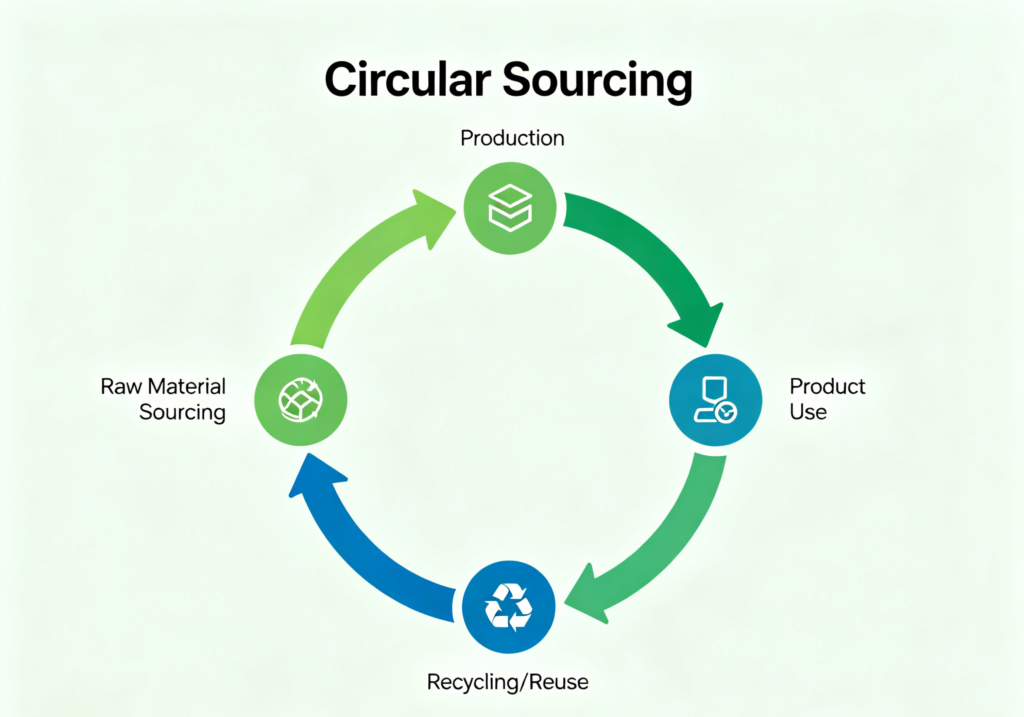
For decades, the global supply chain has operated on a predictable, linear model that prioritized extraction, production, and eventual disposal. This take-make-waste approach is facing an unprecedented existential challenge as international regulatory bodies aggressively enforce strict environmental frameworks designed to eliminate industrial waste entirely. Modern B2B buyers can no longer treat product end-of-life as someone else’s logistical problem, because emerging global legislation increasingly mandates full producer responsibility. From advanced ecodesign criteria to stricter cross-border waste disposal penalties, these evolving statutory frameworks are forcing companies to fundamentally restructure their procurement strategies. Navigating this compliance shift successfully requires an intentional transition away from short-sighted, low-cost purchasing toward partnerships that prioritize extended product lifecycles and closed-loop material ecosystems.
Deciphering Evolving Global Waste Regulations
The pressure on procurement departments is radiating directly from major regulatory updates across key economic regions. The framework set forth by the European Parliament regarding ecodesign regulations establishes a clear precedent, mandating that products sold within major commercial zones must be durable, repairable, and easily recyclable. Simultaneously, governmental authorities are introducing digital tracking tools, such as digital product passports, to map the entire lifecycle of industrial components from raw material extraction to final disposal. These regulatory structures essentially eliminate the ability to discard old components in landfills without facing severe financial penalties. For international procurement managers, this legislative transformation means that the traditional method of evaluating vendor compliance based purely on initial product quality is now legally obsolete.
Identifying Manufacturing Partners with Built-In Reclamation Systems
To remain competitive under these strict mandates, b2b buyers must master the art of vetting suppliers based on their operational circularity. A truly compliant manufacturing partner must offer more than just a certificate of sustainability; they must possess the physical infrastructure required to manage comprehensive parts reclamation and industrial recycling loops natively. When evaluating potential vendors, buying teams should closely analyze a factory’s capability to safely dismantle old products, refine raw sub-components, and reintroduce those materials back into primary production streams. Partnering with suppliers who possess integrated material recovery facilities minimizes regulatory exposure and insulates procurement budgets from the volatile price fluctuations frequently associated with virgin raw materials.
Structuring the Commercial Mechanics of Take-Back Schemes
The practical execution of a circular supply chain hinges entirely on the structural legal framework of the vendor contract, specifically regarding take-back schemes. These reverse logistics programs obligate the original manufacturer to reclaim products or machinery at the end of their functional utility, shifting the long-term waste liability back to the production source. Procurement specialists must negotiate clear, legally binding parameters regarding who bears the financial burden of reverse maritime freight and how returned assets will be evaluated for component harvesting. By embedding these closed-loop mechanisms directly into master supply agreements, corporate buyers turn a potential regulatory headache into a predictable, highly efficient material recovery cycle that satisfies international enforcement agencies.
Auditing Factory Circularity and Material Integrity
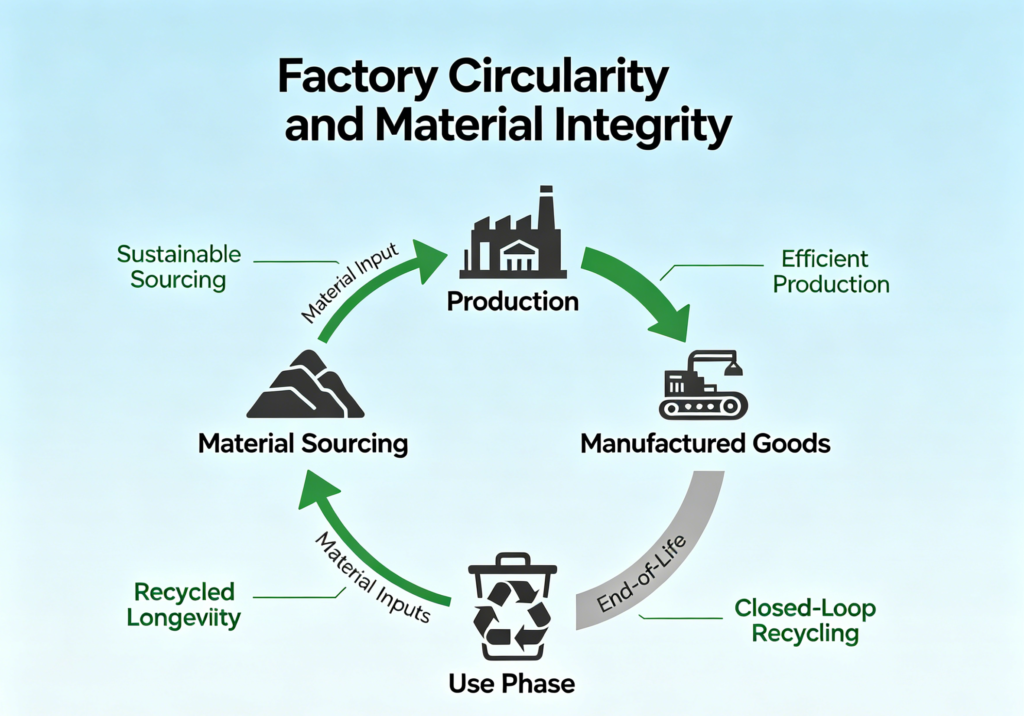
Verifying the validity of a supplier’s circular operations requires an rigorous, evidence-based approach that extends deep into the factory floor. Procurement auditors must look past marketing brochures and demand verified asset logs that track the exact percentage of post-consumer recycled content utilized within new product runs. True circular pioneers will readily provide clear metrics illustrating their energy efficiency, water reclamation volumes, and industrial waste diversion rates during physical or virtual facility inspections. Buyers should prioritize partners who hold accredited certifications from international standardization organizations, ensuring that every claim regarding material circularity is legally defensible in the face of strict regulatory oversight.
Embracing Permanent Material Circularity as a Strategic Shield
Ultimately, adapting to global circular economy mandates is not merely an exercise in legal compliance, but a major evolution in corporate resilience. Sourcing departments that proactively align their global networks with these strict recycling mandates will effectively shield their organizations from future raw material scarcities and sudden regulatory tariff spikes. Shifting the corporate focus toward extended component lifecycles ensures that businesses can build sustainable, long-term brand equity while operating completely within the boundaries of international environmental law. To begin evaluating verified international vendors who match these high compliance standards, purchasing professionals can connect with top-tier industrial partners directly via the Sourcing Guides Showcase to secure a compliant supply chain for the future.