The Illusory Safety of Unverified Supplier Sustainability Pledges
The global marketplace has reached a critical regulatory and cultural tipping point where vague environmental promises are no longer tolerated by enforcement agencies or corporate clients. For years, consumer-facing brands safely operated under a self-declared sustainability model, frequently repeating the eco-friendly marketing narratives passed upward to them by their offshore manufacturing partners. This relaxed era of voluntary compliance is ending abruptly due to sweeping international legislation designed to eliminate greenwashing entirely from corporate supply chains. In the current economic climate, simply relying on a factory’s casual assertion that their raw components are sustainably sourced exposes a buying organization to catastrophic legal liabilities and permanent brand degradation. For procurement professionals across Hong Kong and the Greater Bay Area, navigating this strict new regulatory matrix requires an urgent shift from passive supplier trust to aggressive, evidence-based material verification.
Blindly Accepting Generic Recycled Content Declarations at Face Value
The first and most widespread sourcing shortcut that compromises corporate integrity is the reliance on informal, unverified factory declarations regarding the volume of recycled materials used in production runs. Many buying departments mistakenly treat an overseas supplier’s self-generated material spreadsheet as a legally binding guarantee of authenticity, failing to recognize the high financial incentives factories have to blend cheap virgin polymers into eco-labeled batches. Without demanding strict chain-of-custody tracking from the primary processing facility, importers cannot prove the physical validity of their sustainable product lines if challenged by audit panels. This systemic lack of empirical proof directly clashes with the rigorous green trade standards championed by the Hong Kong Trade Development Council, which emphasizes that cross-border buyers must hold independent data verification to protect their international distribution pipelines from deceptive environmental representations.
Substituting Self-Certified Eco-Badges for True Independent Verification
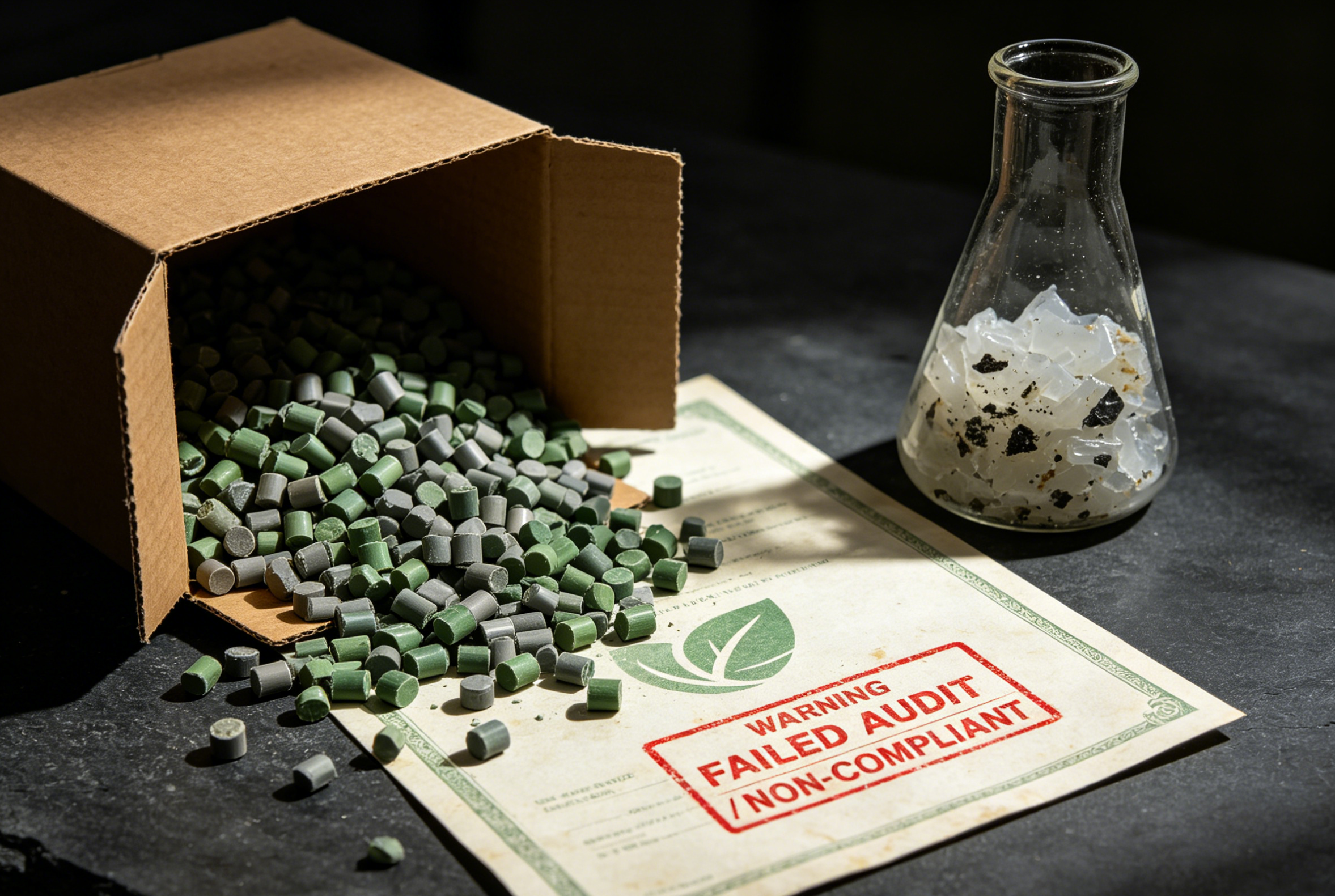
The second toxic shortcut involves the widespread deployment of internal, self-created sustainability logos and unaccredited private badges on product packaging to attract premium retail placements. Procurement teams frequently succumb to the convenience of utilizing a manufacturer’s proprietary “green leaf” emblem or unverified environmental rating system to validate a shipment’s ecological credentials. For firms exporting or operating within Mainland China, this shortcut poses an immediate legal threat under the green supply chain mandates overseen by the Ministry of Ecology and Environment of the People’s Republic of China. Under these national green manufacturing and standardization frameworks, any commercial organization utilizing uncertified or fraudulent ecolabels to misrepresent the environmental footprint of their goods faces severe administrative penalties, market blacklisting, and frozen customs clearance.

Treating Material Chemistry Compliance as an Afterthought in Global Logistics
The third and most dangerous sourcing vulnerability lies in failing to independently audit the chemical purity and structural degradation of recycled materials prior to export. Recycled plastics and upcycled textiles frequently contain legacy trace amounts of restricted chemicals, heavy metals, or prohibited plasticizers that are highly regulated when entering major consumer markets. Skipping a thorough chemical composition test before cargo departure exposes an importer to massive regulatory seizure actions when customs authorities execute random container inspections. To safeguard their corporate assets from these sudden logistical disruptions, Hong Kong purchasing groups must strictly cross-reference all incoming supplier chemical logs with active hazardous substance safety databases maintained by agencies such as the Customs and Excise Department of the Hong Kong SAR.
Implementing the Transactional Certificate as an Absolute Procurement Mandate
Eliminating these critical compliance vulnerabilities requires corporate purchasing departments to establish a non-negotiable policy that prohibits the acquisition of any sustainable inventory lacking independent, third-party transactional certificates. These digital and physical documents must track the custody of materials from the precise collection facility directly through the intermediate refining plant and into the final manufacturing mold. True supply chain resilience relies on demanding accredited certifications from internationally recognized standardization bodies that maintain ironclad, transparent audit trails for every individual material transaction block. Enforcing this level of granular transparency ensures that an organization can confidently defend its green claims during government inquiries and corporate investor audits.
Safeguarding Long-Term Enterprise Value Through Defensible Sourcing
Ultimately, building a resilient, ethically sound enterprise requires procurement executives to realize that true sustainability cannot be achieved through cheap logistical shortcuts or clever marketing prose. The modern business-to-business purchasing landscape demands absolute transparency, leaving no room for operational assumptions or superficial vendor screening processes. Buyers who proactively embed rigid, third-party material verification protocols into their master supply agreements effectively insulate their organizations from sudden regulatory crackdowns and fluctuating compliance costs. Committing to a legally defensible, fully certified procurement framework is the only viable method to permanently protect consumer trust and secure a dominant position in the green global economy.