The Imperative for Autonomous Real-Time Route Engineering
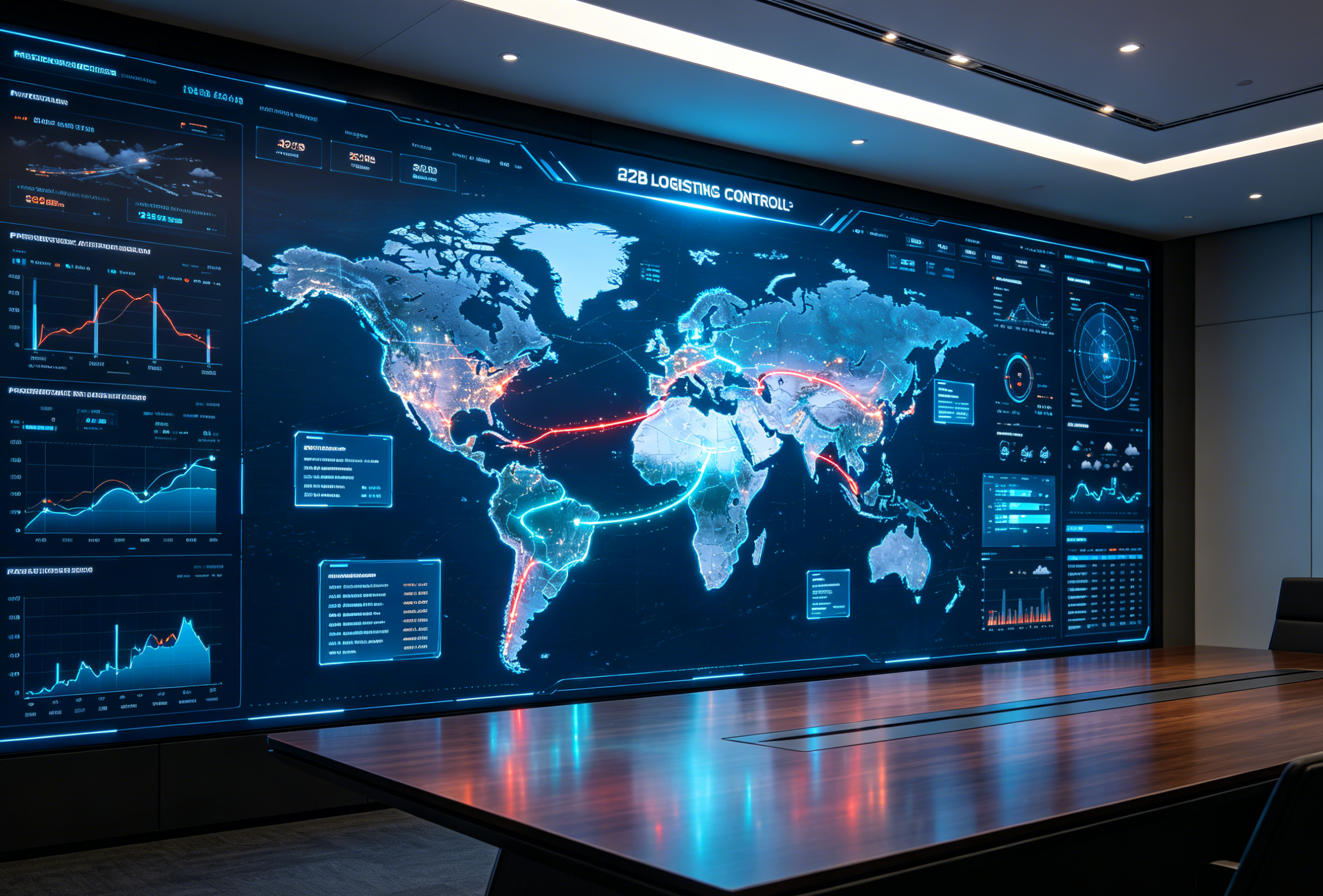
Global logistics operations are confronting unprecedented volatility, with sudden maritime capacity crunches, unstable trade lanes, and unexpected border bottlenecks threatening corporate bottom lines. In this high-stakes environment, traditional, reactive supply chain management strategies that rely on human operators manually re-booking freight fail to protect delivery timelines. Forward-thinking procurement executives and corporate buyers are rapidly transitioning toward real-time logistics control towers powered by artificial intelligence. These digital systems remove human latency by autonomously identifying upstream logistics disruptions and instantly calculating alternative transportation corridors. This digital shift aligns with the national high-tech manufacturing directives championed by the Ministry of Industry and Information Technology of the People’s Republic of China, which heavily subsidizes the adoption of “Artificial Intelligence Plus” frameworks to maximize industrial supply chain resilience.
1. Predictive Disruption Forecasting Networks

The first crucial framework leverages advanced predictive machine learning models to analyze global weather data, geopolitical risk feeds, and port congestion indices before a physical delay ever materializes. By continuously processing millions of data points, these systems spot early indicators of an impending transit disruption, such as an escalating container backlog at regional transshipment hubs. Once an anomaly threshold is crossed, the predictive engine automatically alerts the control tower, enabling buyers to shift cargo allocations to alternative ports hours before a bottleneck cripples the trade lane.
2. Dynamic Freight Spot Market Matching Systems
When a primary shipping lane becomes entirely blocked, logistics managers must quickly secure space on alternative transport modes without succumbing to exorbitant spot-rate spikes. The second framework utilizes autonomous algorithmic procurement agents that instantly scan regional cross-border logistics exchanges to locate open container capacity. These intelligent agents automatically cross-reference spot pricing with pre-negotiated corporate budget parameters, securing optimal lane pricing within seconds. This level of automated agility is particularly critical for enterprises utilizing major cross-border transit pipelines, where transit speed directly dictates warehouse inventory holding costs.
3. Multimodal Intermodal Optimization Engines
A true autonomous rerouting strategy must look past simple port-to-port adjustments and evaluate complex, end-to-end multimodal transportation networks. The third framework applies deep learning neural networks to evaluate the real-time financial and operational trade-offs of shifting delayed maritime freight onto cross-border rail lines or regional air cargo networks. By analyzing current fuel surcharges, terminal handling fees, and exact customs clearance timelines, the optimization engine builds a custom, door-to-door transit route that balances speed and cost. Adopting these advanced intermodal frameworks is highly supported by the logistics innovation goals laid out by the Hong Kong Trade Development Council, which highlights the strategic importance of tech-driven, multimodal flexibility to protect international trade flows.
4. Multi-Tier Supplier Capacity Allocation Frameworks
When regional environmental or regulatory crises force a manufacturing shutdown, an autonomous control tower must look deeper than the primary logistics provider and audit the tier-2 supplier network. The fourth framework integrates natural language processing and API ledgers to instantly evaluate the production capacities of secondary and tertiary component factories across different industrial zones. If a disruption hits a primary supplier, the system automatically redirects raw material shipments to an approved, unimpacted shadow factory, preventing a total stoppage of the assembly line.
5. Automated Customs Compliance and Manifest Re-Generation
Rerouting a container to an alternative international port of entry is completely useless if the shipment arrives without the proper, country-specific customs filings and legal documentation. The fifth framework automates the instantaneous re-drafting and electronic submission of maritime manifests, bills of lading, and certificate of origin documents to match the newly generated route. For regional operations moving goods across the Greater Bay Area, this automated framework seamlessly interfaces with high-tech cross-border tracking programs like the digital data portals managed by the Customs and Excise Department of the Hong Kong SAR. Automatically updating customs profiles ensure that rerouted cargo clears boundary checkpoints without triggering flags, administrative holds, or severe demurrage penalties.
6. Real-Time IoT Carbon and Temperature Tracking Adjustments
For buyers managing sensitive cold-chain inventories or high-value electronic components, autonomous rerouting decisions cannot be based solely on arrival speed. The sixth framework continuously ingests streaming internet-of-things sensor data to monitor cargo temperature, ambient humidity, and spatial orientation inside the shipping container. If a proposed alternative overland route exposes sensitive goods to extreme weather or high-vibration terrain, the framework automatically rejects the path in favor of a more stable, climate-controlled shipping lane.
7. Automated Service Level Agreement Penalty Enforcement
The final framework connects the autonomous routing network directly with corporate ERP invoicing software to handle the financial consequences of carrier performance failures. When a logistics provider misses a critical transit milestone, triggering an automated route correction, the framework logs the exact time stamp and telemetry proof within the master vendor contract. The system then automatically calculates the appropriate service level agreement penalty, applies the financial deduction to the active carrier invoice, and updates the supplier’s risk score on the procurement dashboard.
Securing Competitive Dominance Through Intelligent Supply Moats
Ultimately, navigating the modern global trade landscape requires business executives to view supply chain automation as a core pillar of enterprise risk management. Relying on slow, manually coordinated responses to sudden shipping crises leaves an importing brand completely defenseless against fluctuating market spot rates and empty warehouse shelves. Transitioning to an autonomous, AI-driven control tower ensures that an enterprise can confidently absorb severe logistical shocks while maintaining absolute operational continuity. By implementing these seven brilliant algorithmic frameworks, procurement professionals build a highly resilient, self-healing supply chain that guarantees consistent profitability in an increasingly unpredictable world.