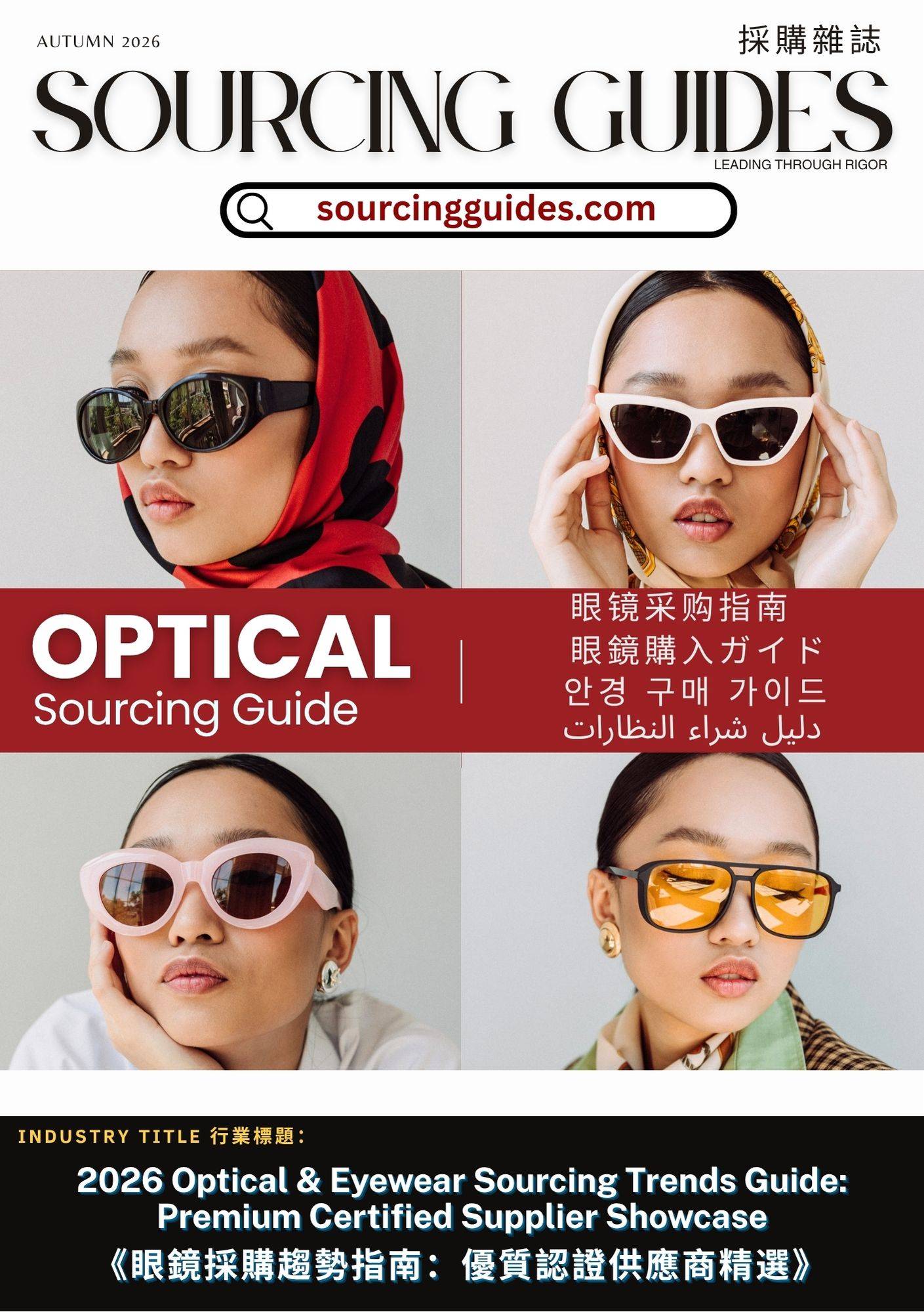
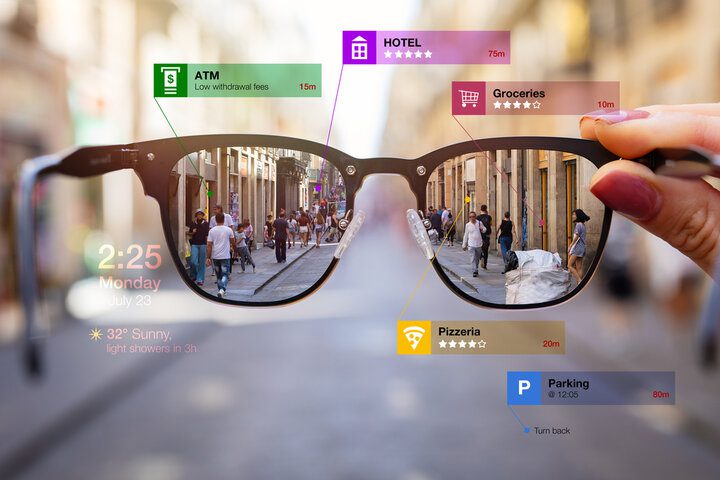
The smart glasses market has officially graduated from a niche tech novelty into a $5.6 billion powerhouse. Driven by an unprecedented 167% year-over-year surge in Q1 2026 sales, the optical industry is witnessing a structural gold rush. Major moves—such as newly deployed prescription-forward smart lines and high-profile Android XR alliances with independent lifestyle eyewear brands—prove that the future of eyewear is smart, audio-first, and deeply powered by Multimodal AI. For traditional optical retailers and sourcing agents, sitting on the sidelines is no longer an option. However, selling a connected tech wearable requires a fundamentally different playbook than selling standard acetate frames. Decreasing average selling prices are pushing margins away from pure hardware and squarely into retail execution, software pairing, and optometry integration. B2B buyers looking to secure long-term profitability must shift their procurement and in-store execution models immediately to capture this high-margin wave.
The Warranty-Safe Prescription Pipeline
The first lucrative strategy requires mastering the intersection of advanced electronics and custom prescription lens fabrication. Historically, independent opticians shied away from smart eyewear because cutting custom corrective lenses risked fracturing the integrated wiring or voiding the original equipment manufacturer warranty. Forward-thinking B2B procurement teams are now solving this hurdle by establishing dedicated lab partnerships with certified optical facilities that use specialized edging equipment specifically calibrated for tech-enabled frames. Retailers can secure immense customer loyalty by acting as a single-source solution where buyers purchase the hardware and receive custom, multi-coated lenses fitted in-house. According to data tracked by global commercial monitoring networks, businesses providing flawless, warranty-compliant prescription integration command a substantial premium on labor margins, insulating them from the price-erosion affecting basic hardware retail.
Implementing Fashion-First Merchandising
Sourcing agents must recognize that smart glasses are fashion accessories first and electronic devices second, meaning their placement on the sales floor dictating their sell-through velocity. Placing smart eyewear in the electronics section alongside headsets or tablets is a proven retail mistake that alienates mainstream consumer demographics. The most profitable retail strategy treats these connected pieces exactly like premium acetate luxury inventory, displaying them under high-end glass counters alongside classic independent fashion labels. Sourcing managers should select inventory that prioritizes lightweight materials, sleek silhouettes, and minimal bulk around the temples so that the integrated microphones and cameras remain invisible during casual wear. Visual merchandising should highlight aesthetics and wearability first, utilizing digital in-store displays to introduce tech capabilities only after the customer has already expressed interest in the physical fit.
Executing Frictionless In-Store Onboarding
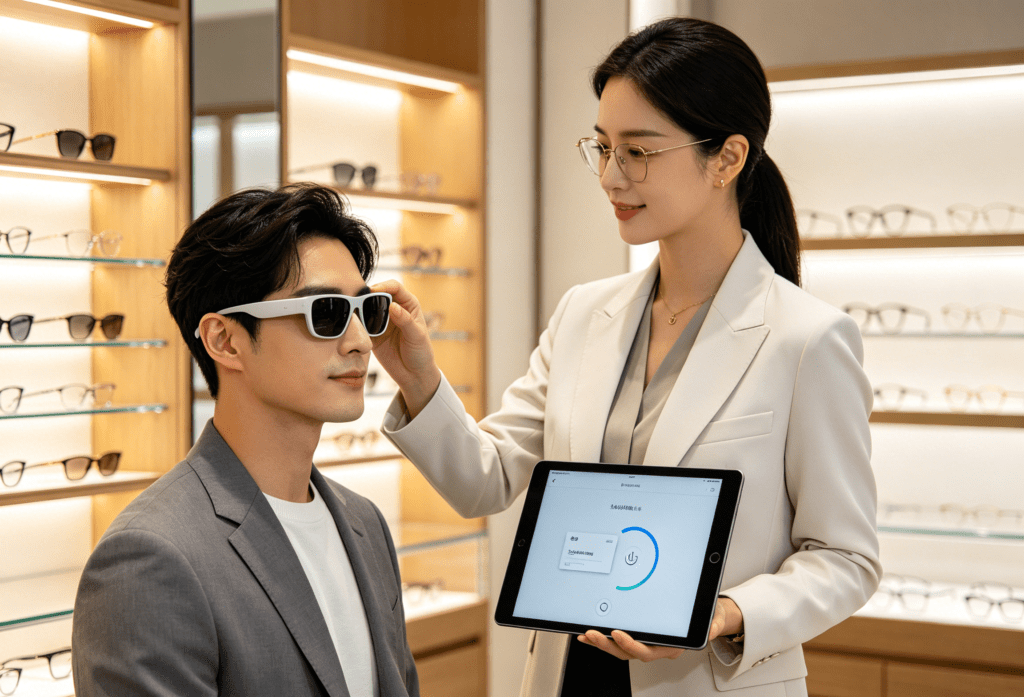
The path to maximizing retail margin relies heavily on exceptional post-sale customer execution, specifically through quick and seamless device onboarding. When an optical retailer hands over a pair of smart frames, the transaction must extend beyond boxing the product to helping the consumer initialize the operating software within the store. Retail businesses should establish designated activation zones where trained staff guide users through Bluetooth pairing, custom audio calibrations, and privacy setting configurations. Providing this direct service removes the return-to-vendor friction that commonly plagues the consumer electronics sector when buyers encounter initial setup confusion. This high-touch service model justifies higher point-of-sale pricing, builds exceptional customer trust, and creates immediate secondary opportunities to upsell premium lens treatments.
Adapting Supply Chains to Active Technology
Transitioning to smart eyewear requires B2B buyers to overhaul their traditional inventory management systems to account for the unique vulnerabilities of active electronic components. Unlike static acetate frames that can sit on stockroom shelves indefinitely, connected smart frames contain lithium-ion batteries that require climate-controlled storage and structured stock rotation to prevent deep-discharge degradation. Sourcing agents working with manufacturers listed on international procurement indices must enforce strict product inspection rules to verify battery health upon arrival at central warehouses. Implementing a tightly managed, just-in-time inventory system minimizes warehouse overhead and shields retailers from the financial risk of holding obsolete tech components when rapid, iterative software updates hit the market.
Securing Enterprise and Localized Distribution Rights
The final lucrative strategy centers on capturing regional enterprise demand by positioning your optical retail network as a specialized corporate supplier. Beyond consumer fashion, smart glasses are experiencing rapid adoption across medical, logistics, and field-service sectors where hands-free digital assistance significantly boosts daily operational efficiency. B2B buyers can maximize bulk purchase orders by securing territorial distribution rights from global smart wear suppliers and marketing directly to regional corporate entities. Offering corporate packages that combine smart hardware with customized, workplace-specific protective lenses establishes a highly predictable, high-volume revenue stream. This diversified approach firmly protects optical businesses from seasonal retail slowdowns and firmly establishes them as market leaders within the rapidly evolving smart eyewear landscape.